FORCITIS Wins 2026 CVU China Facade Innovation Award for Supertall BIPV Solution


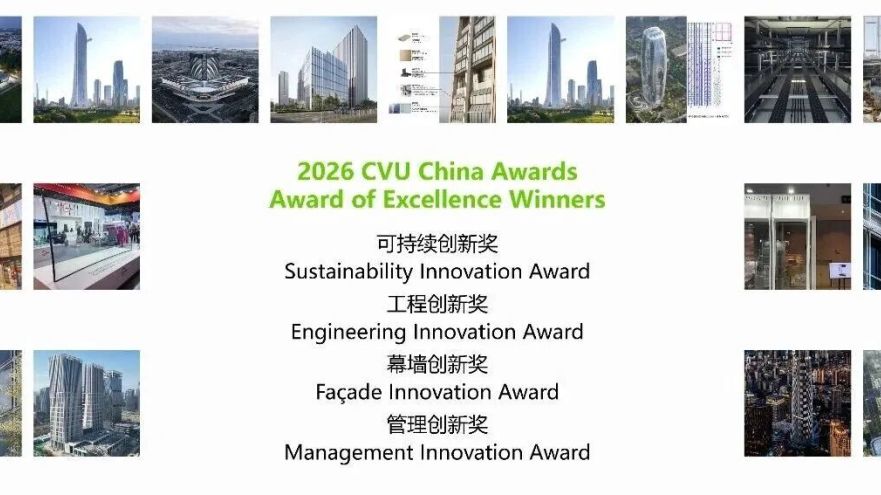


Recently, the "Building-Integrated Photovoltaics (BIPV) Solution for Supertall Buildings" submitted by FORCITIS stood out in the prestigious 2026 CVU China Awards, successfully winning the Facade Innovation Award for its outstanding innovative design and low-carbon practices.
I. Behind the Honor
II. Addressing Key Pain Points
Strategic Layout: The boundaries for PV integration were defined based on human-scale perspective and functional compatibility. The team bypassed visually sensitive refuge floors, opting instead for areas such as the tower crowns, podium canopies, skylights, and exhibition hall facades.High-Efficiency Generation: High-efficiency monocrystalline silicon components were deployed in non-visual focal points, such as the tower crowns, to maximize power output.Aesthetic Integration: In visually critical areas like the skylights and exhibition hall facades, the team customized cadmium telluride (CdTe) thin-film PV glass with a 40% light transmittance. This ensured the seamless integration of PV components with the architectural facade, keeping the technology hidden in plain sight.
III. Precision Decision-Making
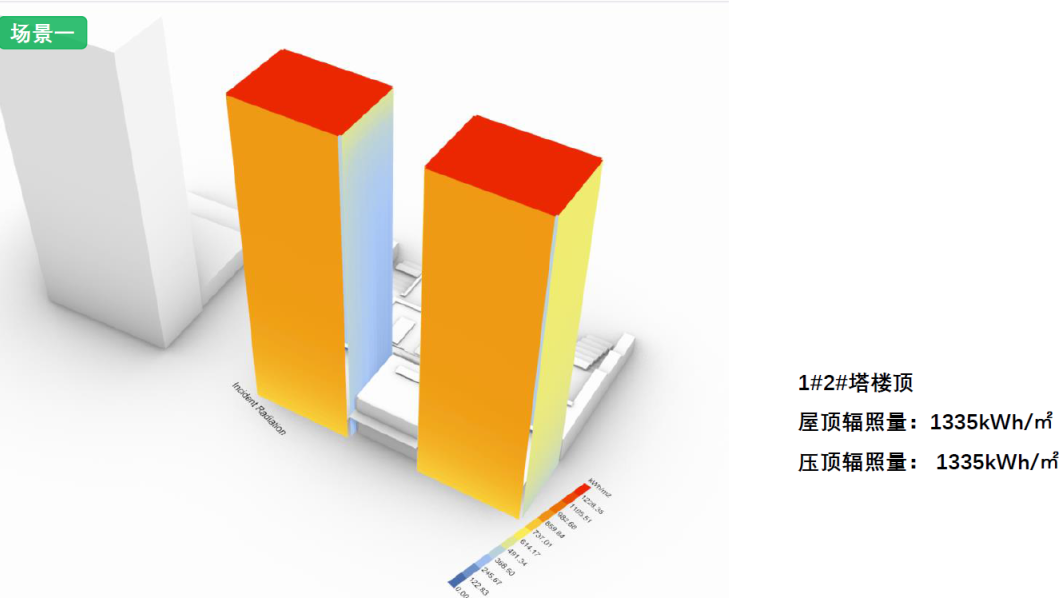
Scientific Selection: Simulations revealed that while the annual solar radiation on the tower crown roof reached as high as 1,335 kWh/m², the protective railings suffered from severe shading, yielding extremely low efficiency.Efficiency-First Strategy: The team proactively proposed an "efficiency-first" strategy, removing low-yield areas. Ultimately, with minimal incremental investment, the solution achieved a target annual generation of 540,400 kWh for a single tower.
IV. Meticulous Implementation
-

 15.05.2026NewsFORCITIS Wins 2026 CVU China Facade Innovation Award for Supertall BIPV Solution
 -
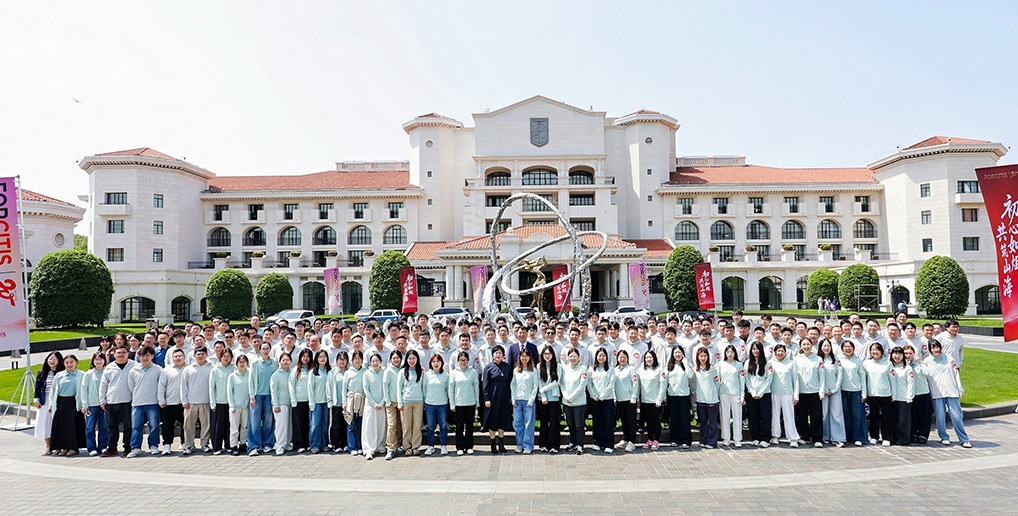 25.04.2026NewsThe FORCITIS 20th Anniversary Celebration Concludes Successfully
 -
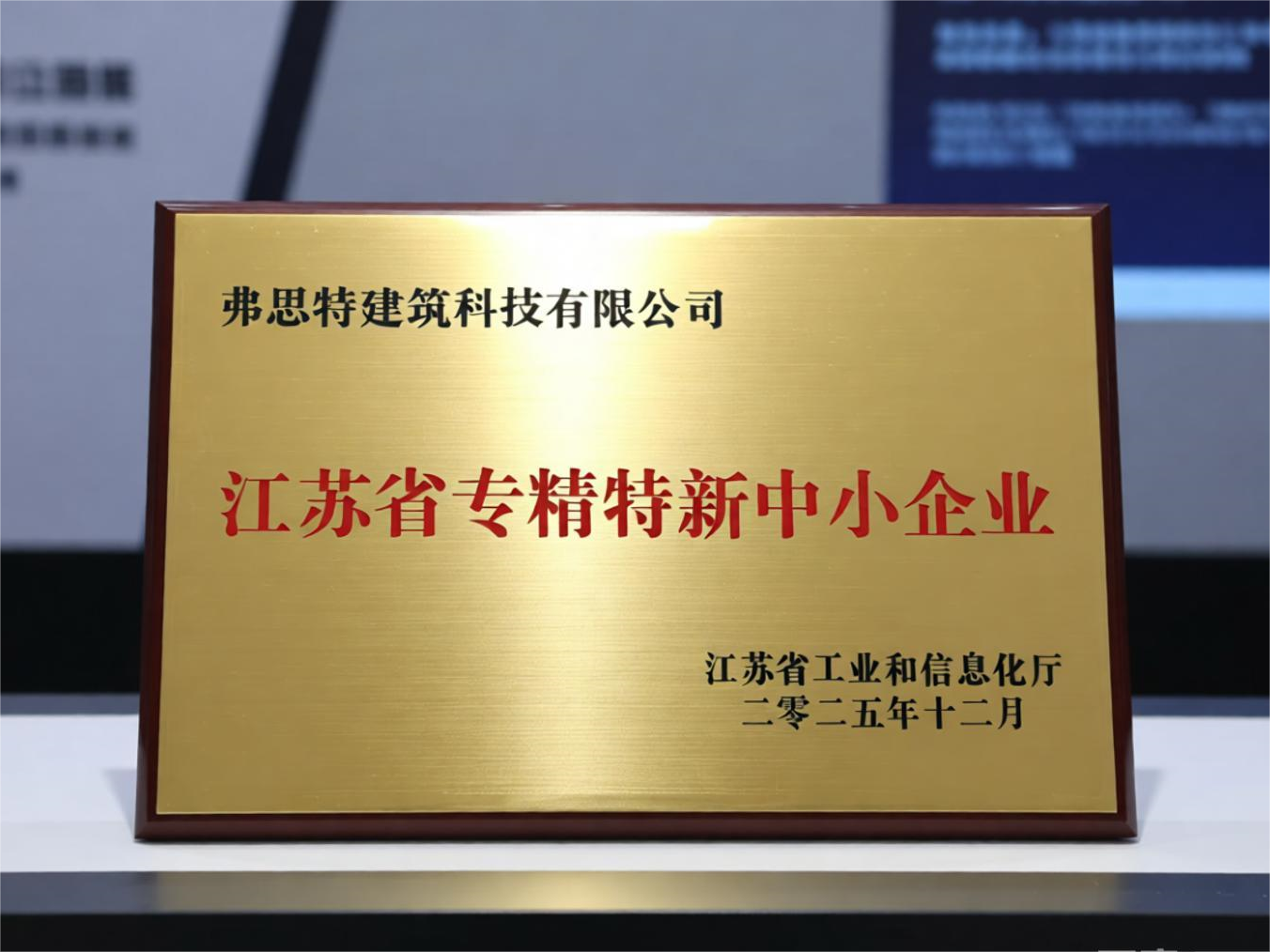 27.01.2026NewsFORCITIS was selected and approved for the 2025 Provincial "Specialized, Sophisticated, Distinctive, and Innovative" SME Certification and Review in Jiangsu Province