Haiwei Zhongtian·ANPU
-
Location
Xiaoshan,zhejiang
-
Client
Hangzhou Haibo Real Estate Development Co., Ltd
-
Design
GOA
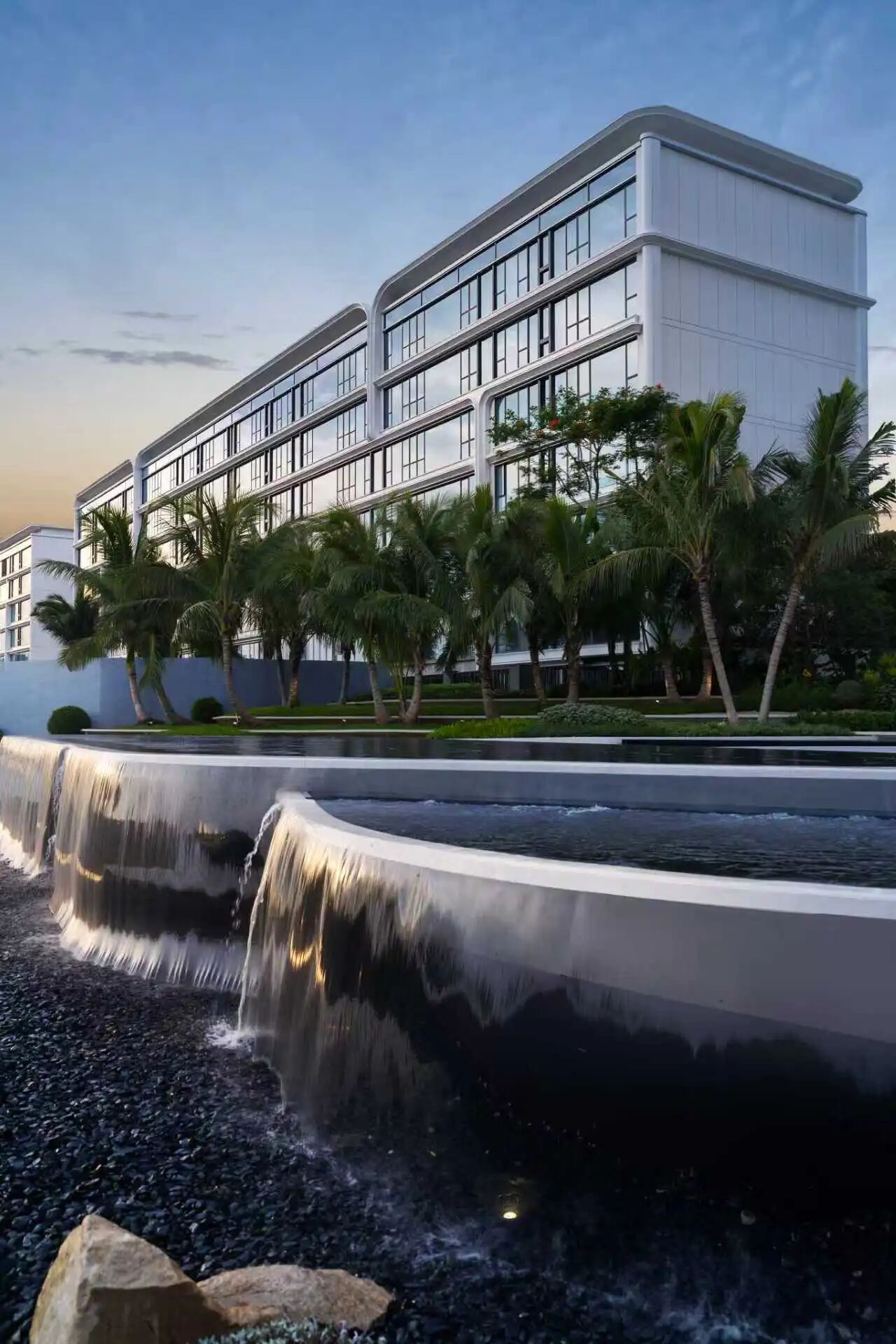
In the bustling heart of Xiaoshan, Hangzhou, a practice concerning architecture and eternity is quietly taking root. Haiwei Zhongtian·ANPU, with "eternal prosperity, eternal order, and eternal legacy" as its spiritual core, perfectly integrates Eastern reclusive philosophy with modern architectural techniques, reshaping the value standards of urban luxury homes.
As a masterpiece of Haiwei Zhongtian, ANPU has created an architectural artwork with both international vision and oriental aesthetics at the source of Xiaoshan city through the innovative application of curtain wall systems and the perfect integration of diverse materials.
GEOGRAPHICAL
LOCATION
CHAPTER 01
GEOGRAPHICAL
LOCATION
THE VALUE OF XIAOSHAN SOURCE SITE
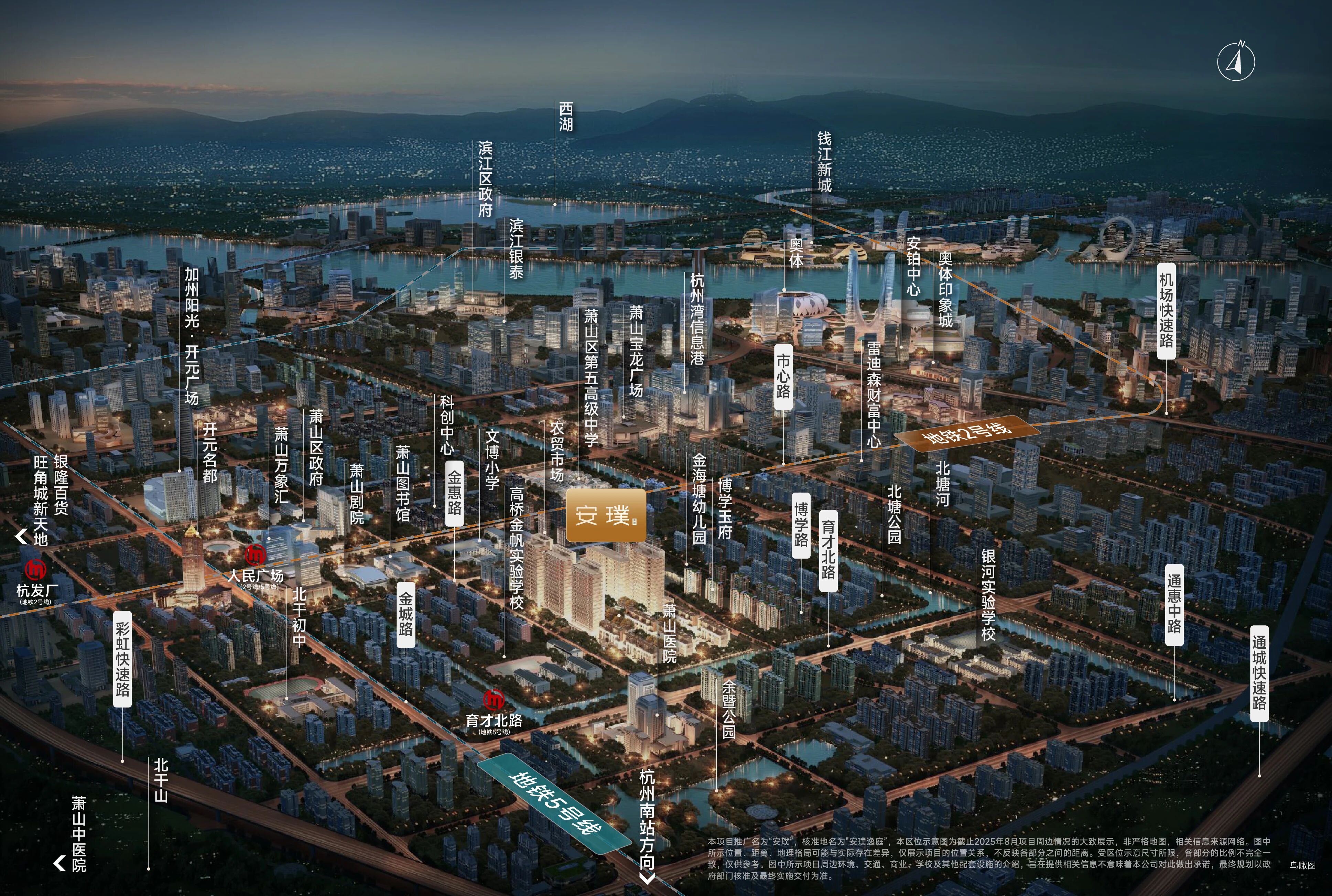
▲ Location Map of the project
ANPU is located in the Zhongxin area of Beigan, Xiaoshan, occupying the "golden cross axis" where Shixin Road and Jincheng Road intersect. This area is not only the cradle of Xiaoshan's cultural heritage, but also serves as the "central core area" for the city's modernization development and as a pioneering region in the integration strategy between Binjiang and Xiaoshan.
Within a radius of approximately 2 kilometers from the project, there are high-quality resources such as the district government, the MixC, and the Beitang River Park. The subway lines 2 and 5 are within easy reach, finding a perfect balance between urban prosperity and tranquility of life.
DESIGN
CONCEPT
CHAPTER 02
DESIGN
CONCEPT
MODERN TRANSLATION OF RECLUSIVE AESTHETICS
ANPU's design traces back to the reclusive spirit of Xu Xun, a renowned scholar of the Eastern Jin Dynasty. With "reclusion in the city, returning to the essence" as its philosophical core, it achieves a contemporary translation of Eastern aesthetics through modern architectural language.
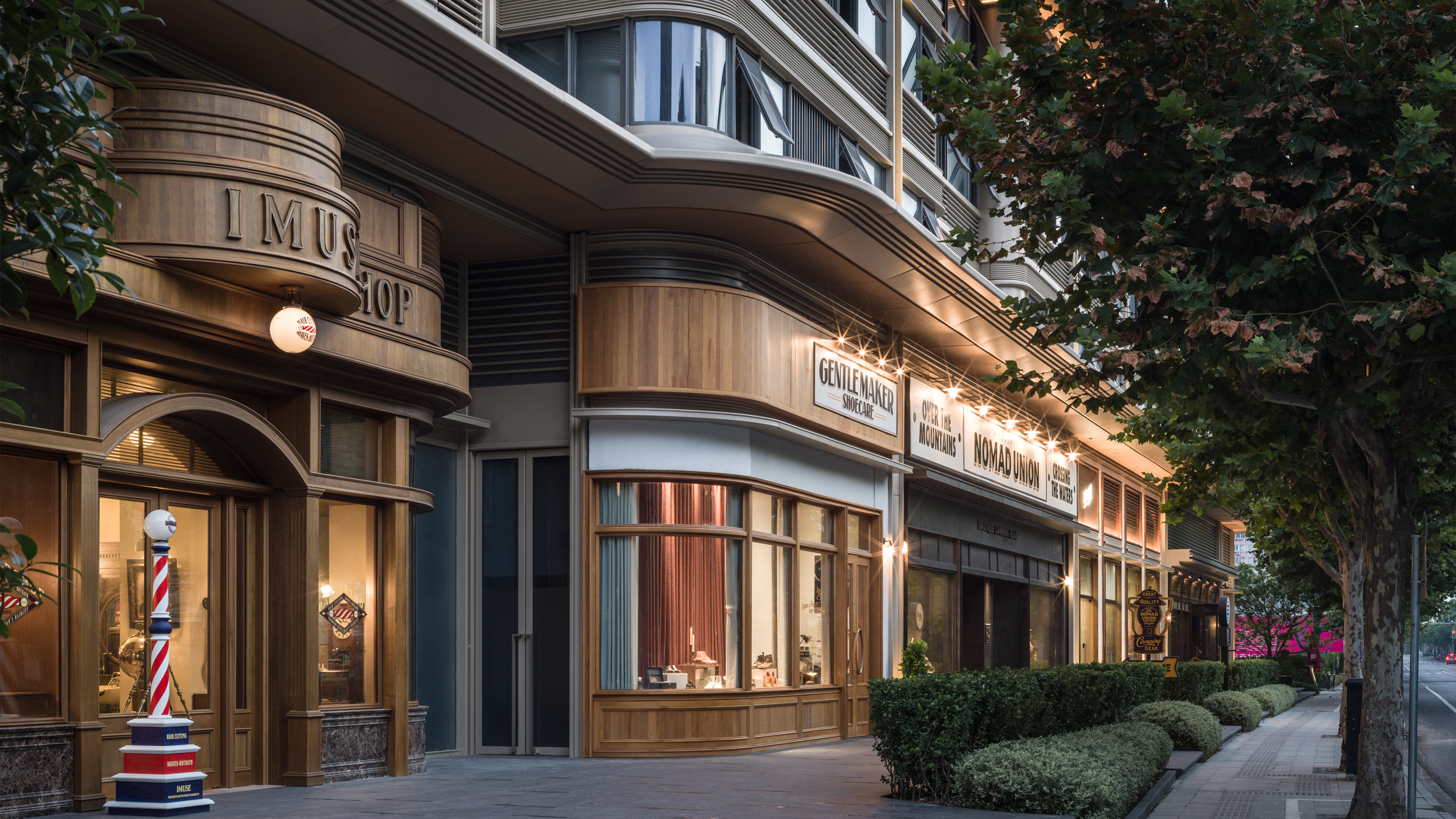
The project brings together six top teams: Goa Elephant Design, Shun Jing Landscape, Minggu Design, CCD, MDO, and bpi, forming an integrated design alliance encompassing architecture, landscape, interior, and lighting. The team uses the spatial sequence of "one axis, two areas, four gardens, and two alleys" as the framework to construct a progressive experience that gradually transitions from urban hustle to private tranquility, embodying the spatial philosophy of "getting better and better" in traditional gardens.
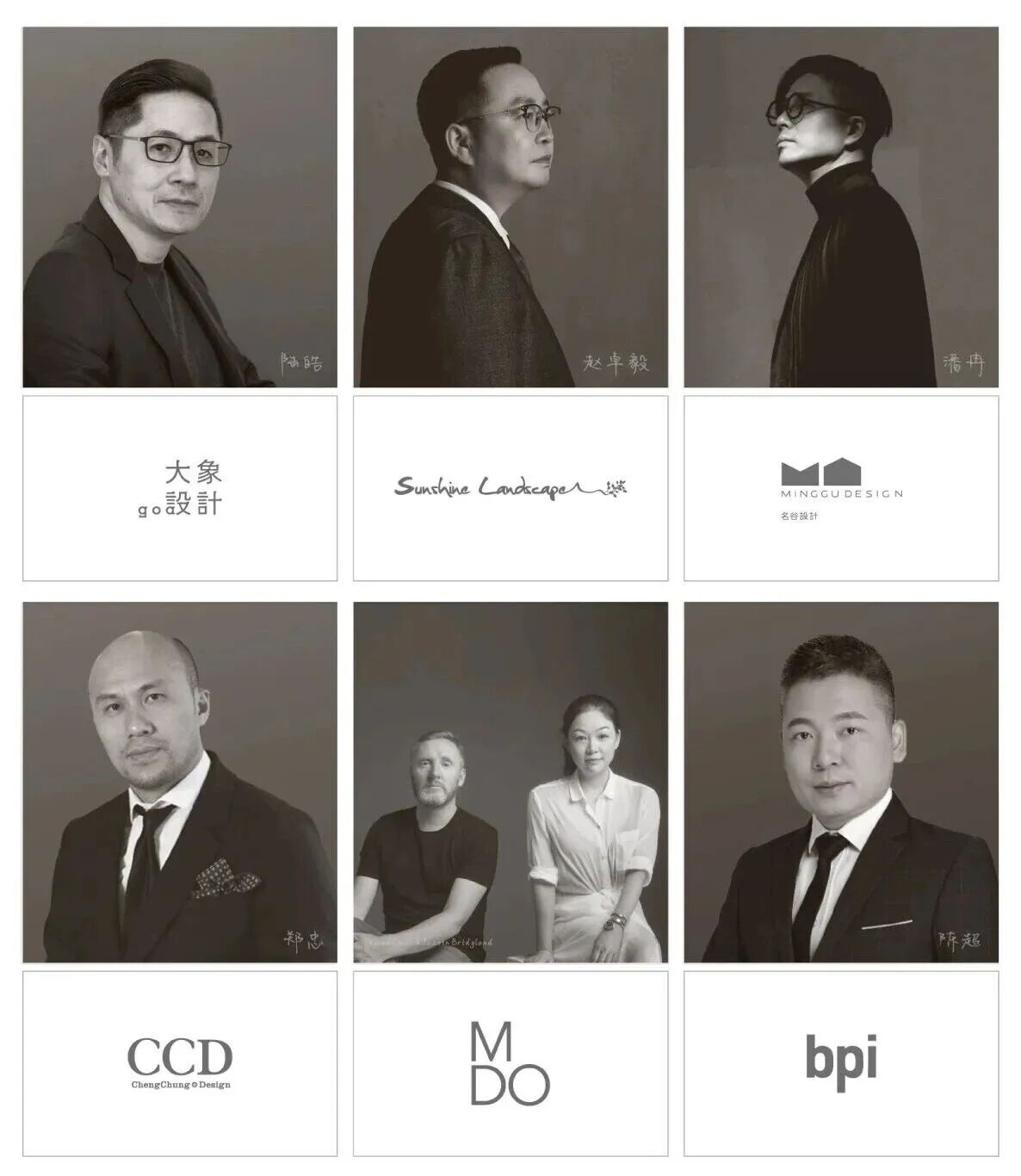
▲ Project design team
HARMONIOUS SONATA OF DIVERSIFIED MATERIALS
ANPU, as a high-end, discreet luxury project jointly created by Zhongtian Haiwei, redefines the aesthetic standards of contemporary luxury housing facades through its minimalist yet warm design philosophy and meticulous construction of the curtain wall system
In terms of architectural form, the project reshapes traditional imagery with a modern and concise facade composition. Through the clever combination of exquisite details and warm beige stone materials, it forms a uniquely recognizable architectural symbol.
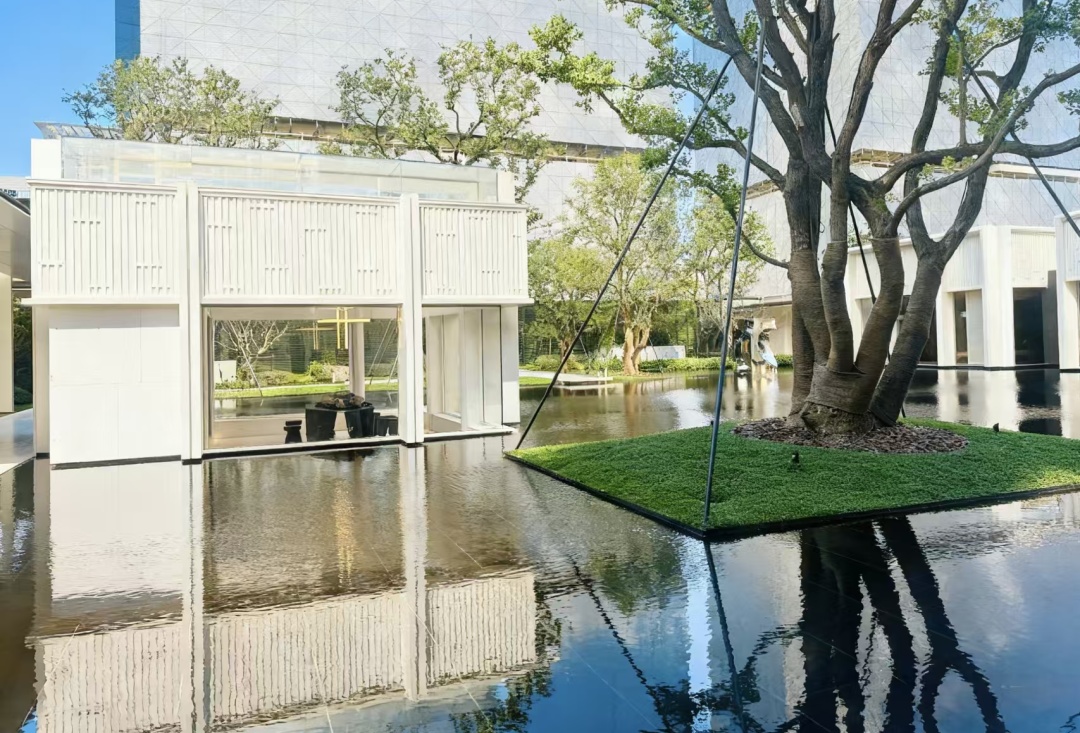
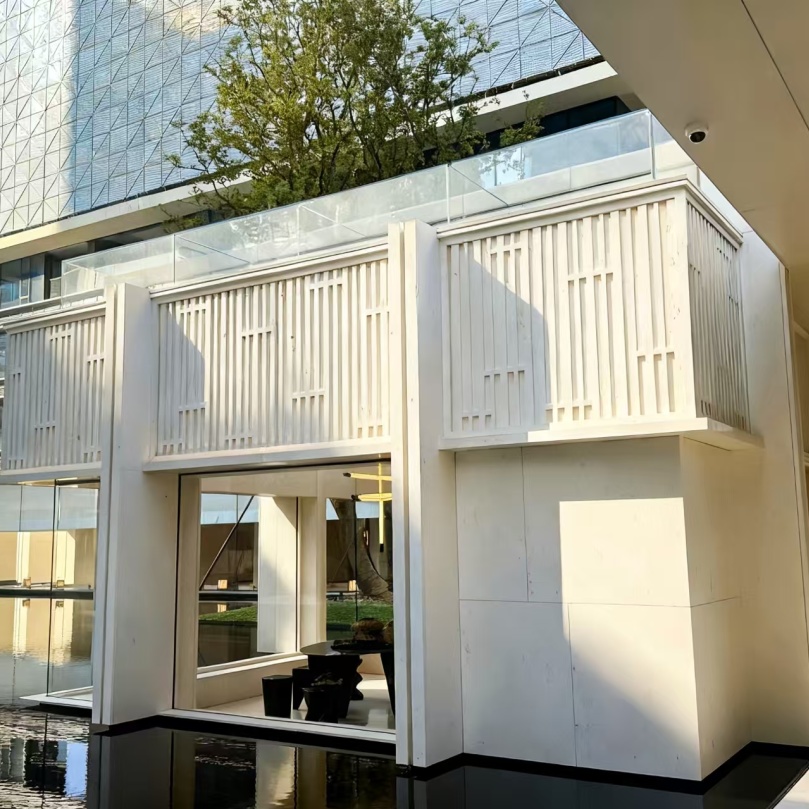
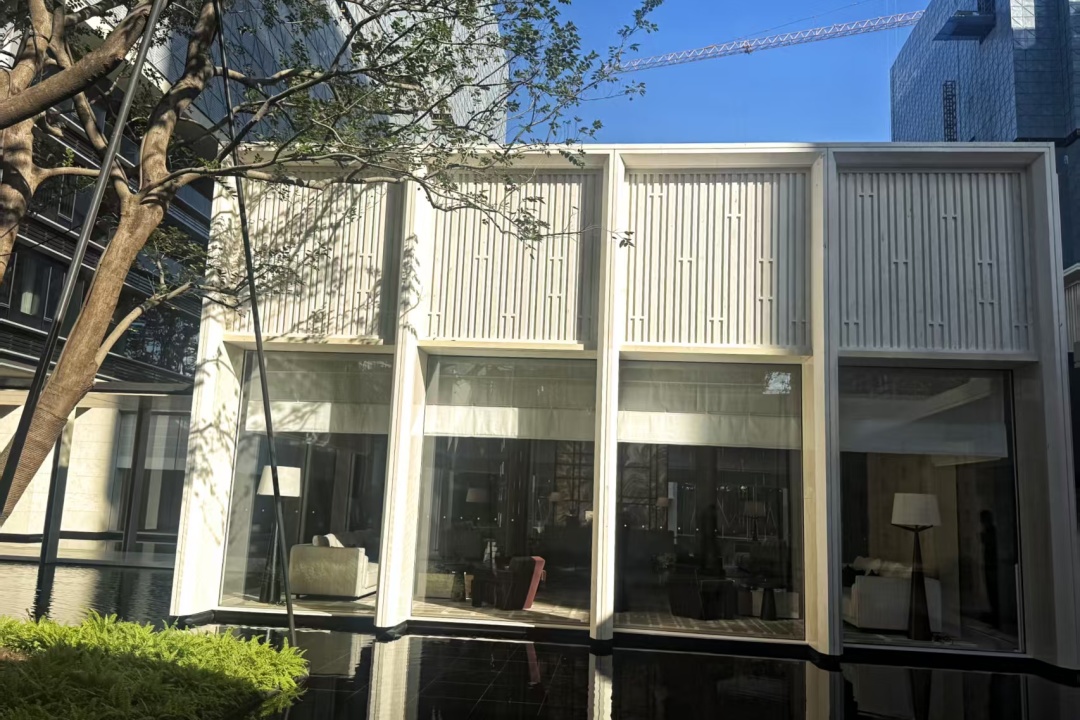
The project integrates eleven types of curtain wall systems, encompassing diverse categories such as aluminum panel curtain walls, stone curtain walls, honeycomb aluminum panels, T-bar glass curtain walls, full glass systems, interlayer ceramic plates, and glass window wall systems. Through precise material proportioning and technological innovation, it creates a rich facade hierarchy.
CURTAIN
WALL
CHAPTER 01
CURTAIN
WALL
HIGH RISE RESIDENTIAL CURTAIN WALL SYSTEM
The facades of high-rise buildings incorporate various materials such as aluminum panels, terracotta bricks, and stone, combining the lightness and elegance of aluminum lines, the warm and varied luster of terracotta glazed surfaces, and the heaviness and stability of stone, creating rich visual layers and unique artistic tension.
(
Ceramic panel curtain wall system
)
During the design process of the curtain wall system, we noticed significant pain points in the construction of the interlayer ceramic plate line shape: traditional small-sized ceramic rods are difficult to install and not securely fixed, which not only affects the appearance but also poses safety hazards.
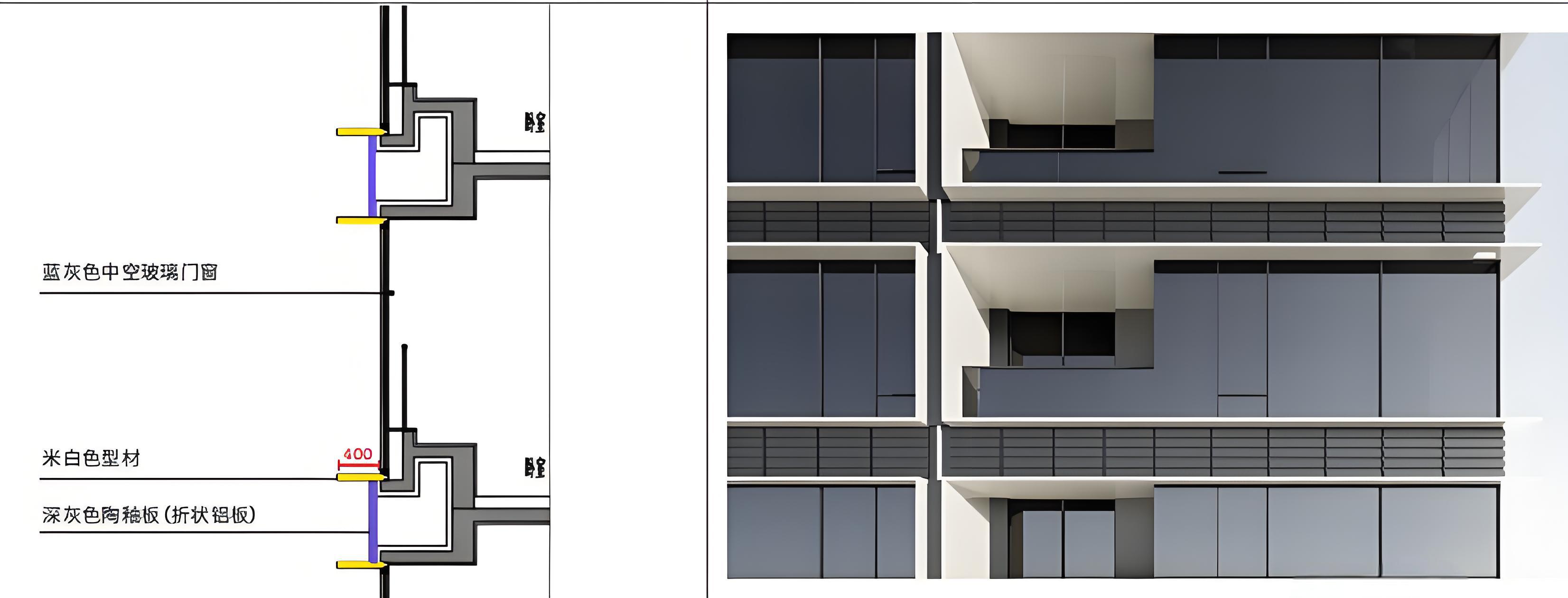
▲ method node
Addressing this pain point, we propose the idea of prefabricating the irregular-shaped ceramic rods and aluminum panels as a whole, and have fully communicated with the construction team and manufacturers about the technical feasibility in the early stage.
During the implementation phase of the plan, all composite panels are anchored with back bolts at the factory. Additionally, structural adhesive is applied to the back of the ceramic rods to provide secondary protection against breakage and falling. Even in the event of accidental damage, this effectively prevents debris from falling off, significantly enhancing the safety of the system.
On-site, only overall lifting and fixation are required, significantly reducing the amount of work at heights and enhancing construction efficiency and precision.
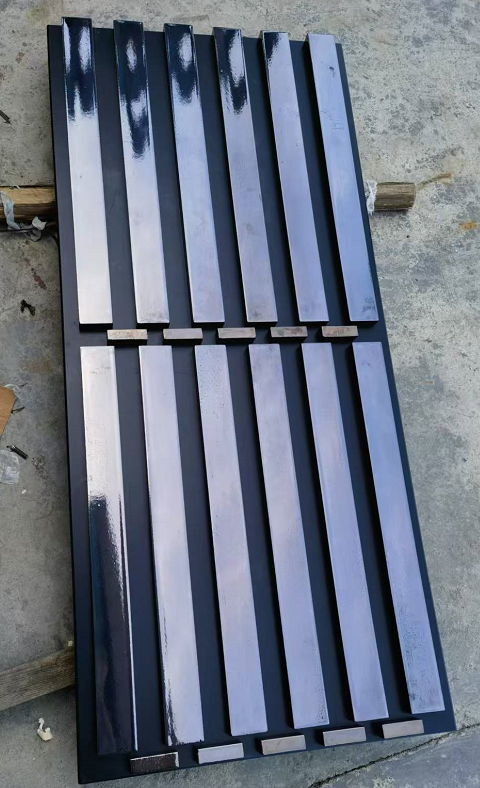
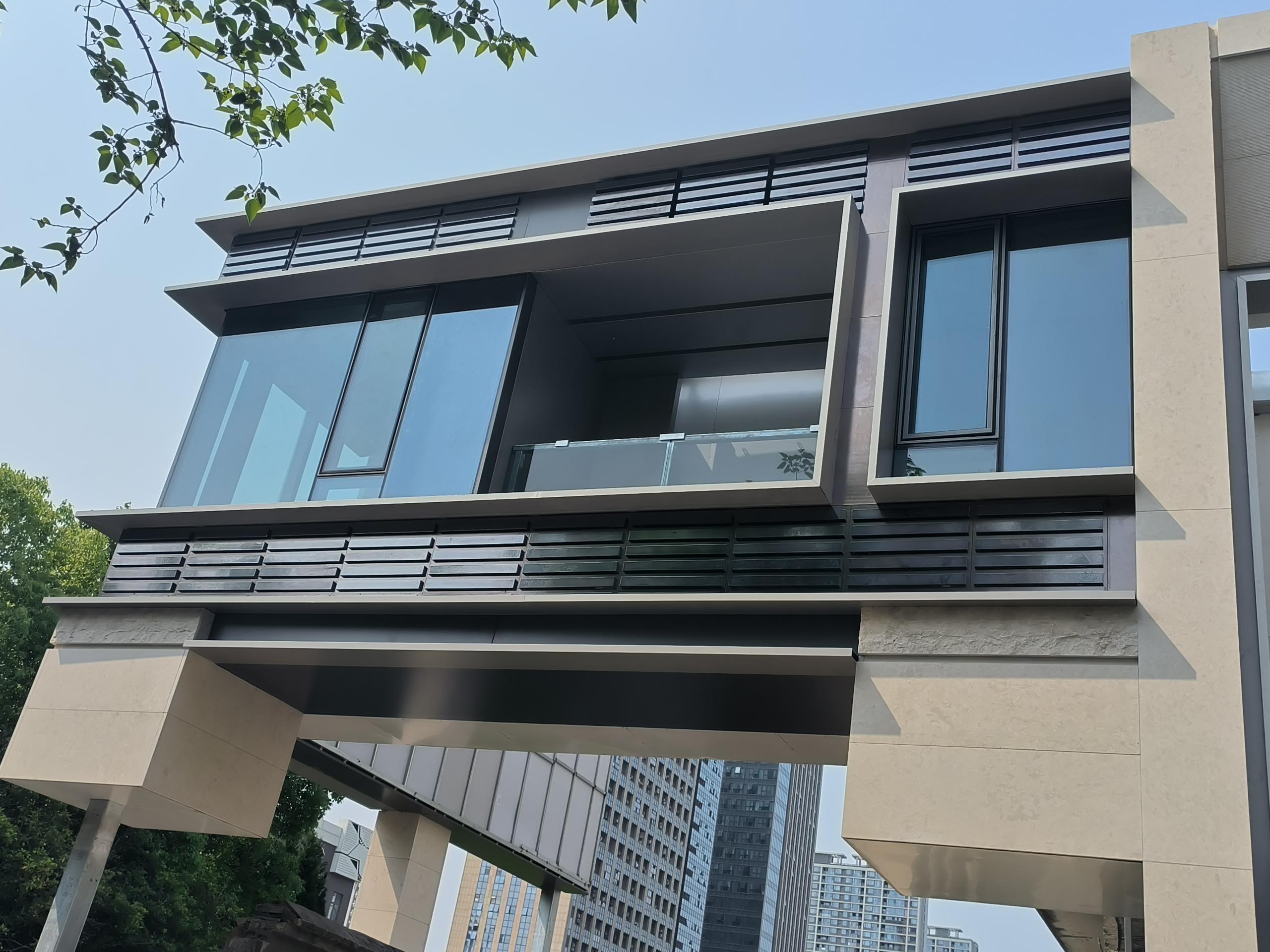
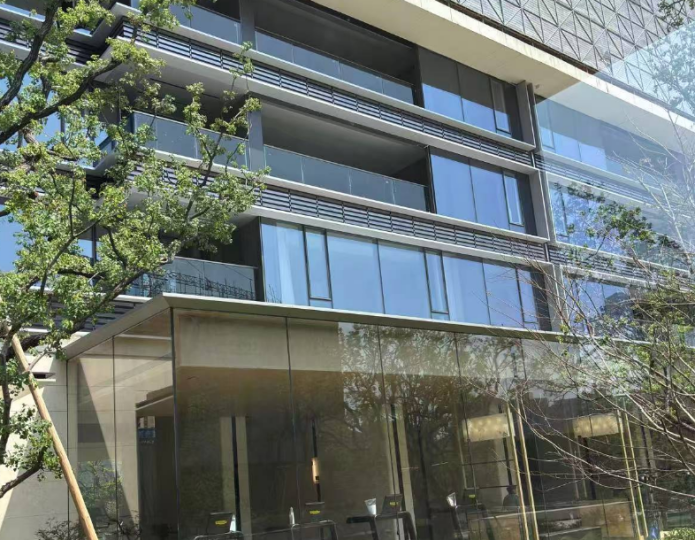
▲ Construction details and facade effects
(
Glass window wall system
)
In the pursuit of architectural expression with a light and transparent facade, the vertically concealed and horizontally visible glass window wall system is widely adopted due to its visual transparency. However, in practical project applications, we have identified two key pain points: Firstly, the tight joints between compensating blocks and mullions are difficult to control precisely, which can easily lead to visual disconnection, diminishing the simplicity and elegance of the overall facade. Secondly, traditional window wall systems typically only develop a set of universal profile molds, which cannot accommodate glass of different thicknesses. When the glass thickness changes, the indoor side often exposes the sealing strip, seriously affecting the aesthetic quality.
In response to the aforementioned issues, we have deeply contemplated the relationship between "form" and "construction" of the curtain wall system and proposed core design principles: achieving refinement through customization and ensuring visual purity through precise matching.
This leads to a clear solution approach - equipping each glass thickness with a dedicated aluminum alloy column profile, ensuring millimeter-level alignment between the glass and the profile through highly customized cross-section design, eliminating gap deviations and exposed adhesive strips.
During the implementation phase of the project, we collaborated with the Schueco system window technology team to redevelop seven sets of customized molds based on this concept, covering all glass configuration requirements in the project. Each set of molds underwent multiple rounds of sampling and on-site trial assembly verification, ultimately achieving a seamless and minimalist facade effect while fully preserving and ensuring the performance and construction feasibility of the curtain wall system.
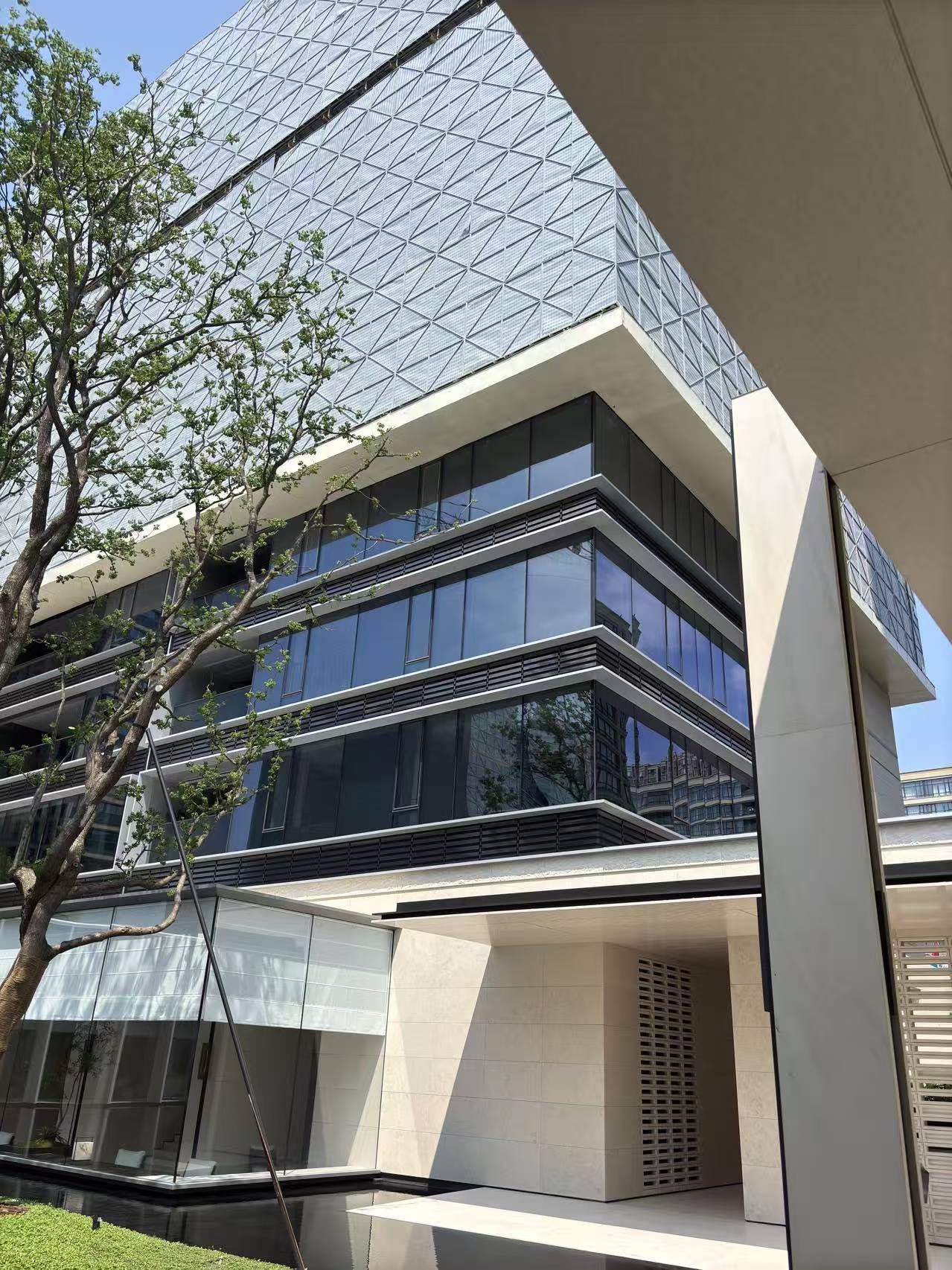
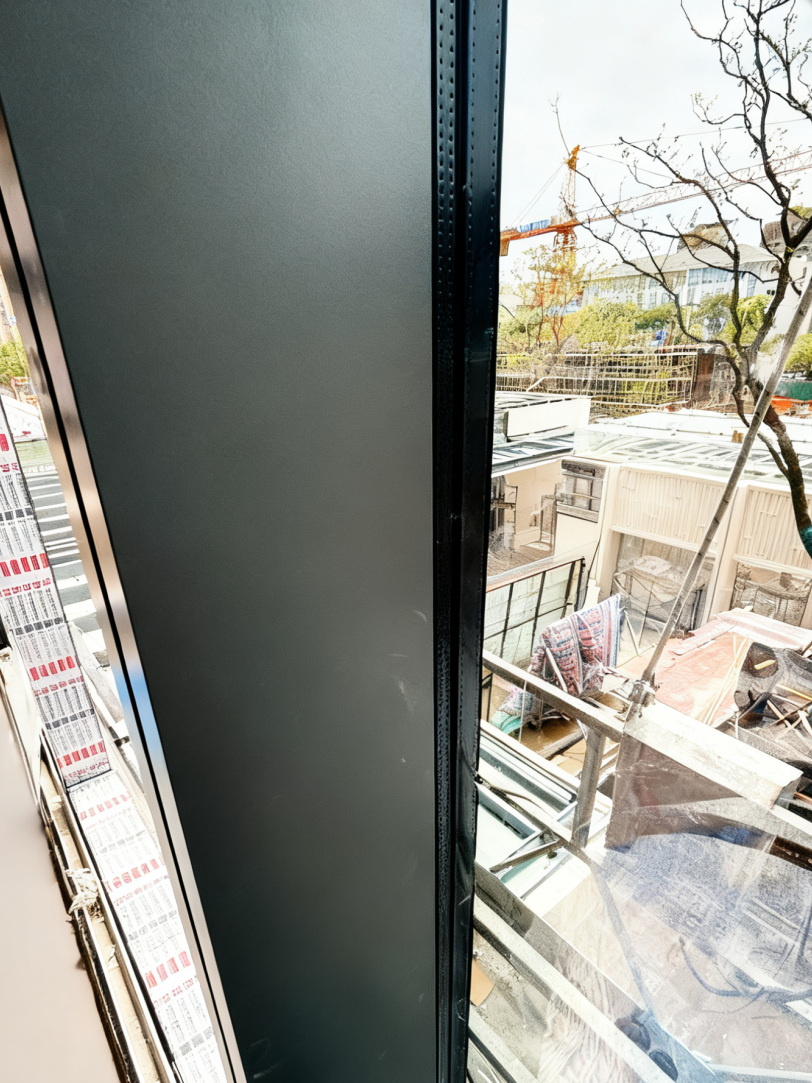
▲ Floor-to-ceiling effect of glass window walls both inside and outside
CURTAIN
WALL
CHAPTER 02
CURTAIN
WALL
COMMIUNITY DEMONSTRATION ZONE CURTAIN WALL SYSTEM
ANPU's community planning is like a walkable and touchable urban landscape scroll, cleverly utilizing modern gardening techniques to create a poetic living experience of "looking up at the floating clouds and listening to the babbling streams.".
(
Aluminum alloy window frame system
)
To achieve a pure facade effect of "frameless and fully concealed frame" for large-area glass, the project faces multiple challenges: the window frame and steel sub-frame are visually difficult to conceal, conventional window frames have many seams and uneven corners, and often visible covers or connectors inside the room disrupt the overall aesthetic.
Addressing the aforementioned pain points, our solution strategy revolves around "constructing to serve aesthetics": integrating the design of aluminum alloy window frames with the interlayer shaping, and through customized profiles and refined nodes, creating a continuous and clean visual interface while obscuring the structure.
In specific implementation, the team adopts the following key measures:
Using aluminum alloy window frame profiles: The profiles have straight corners, and the processing length of a single piece can reach approximately 6 meters, effectively reducing the number of joints on the facade and enhancing the overall appearance.
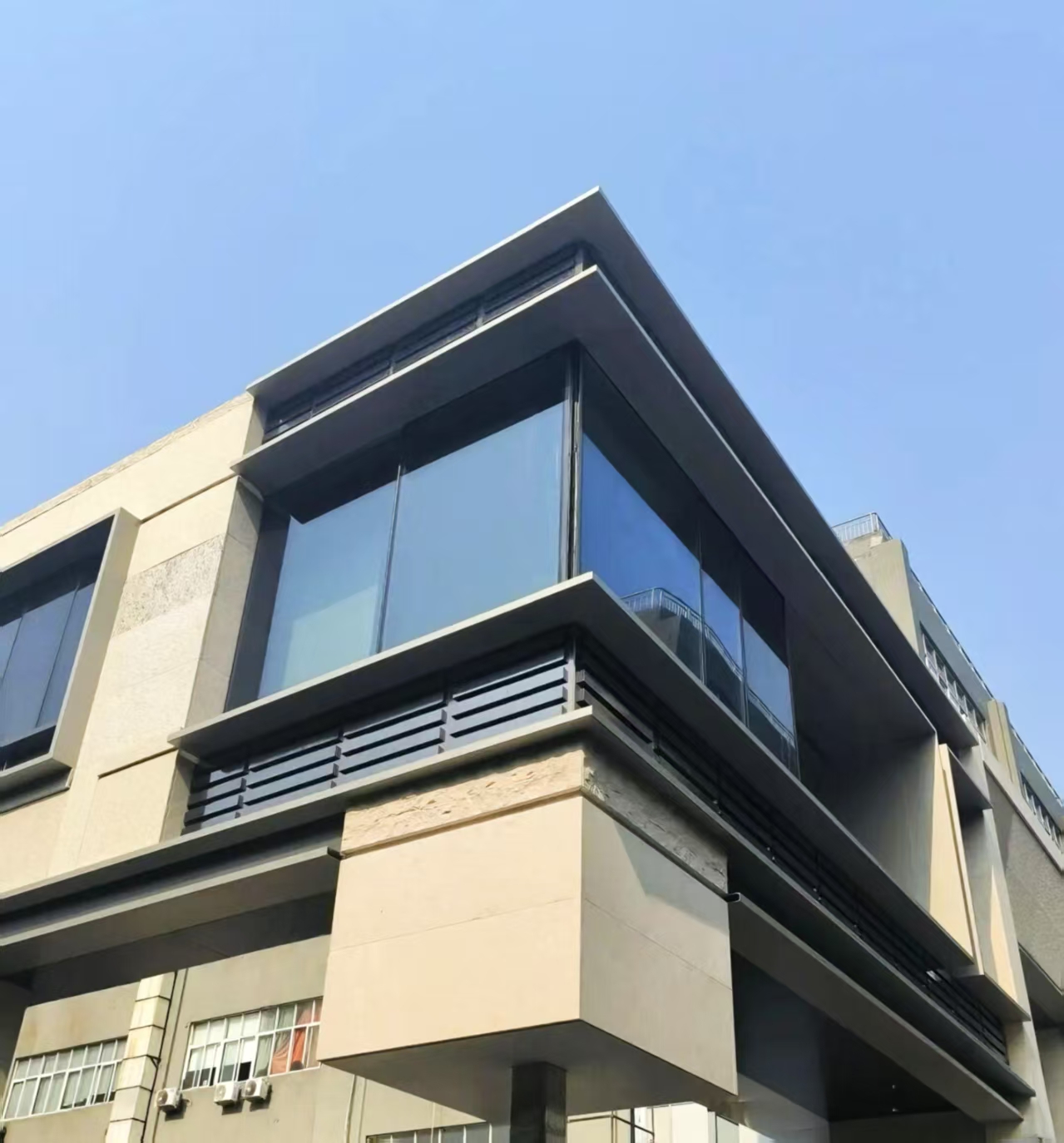
45-degree angle splicing and aluminum corner reinforcement: The corner of the window frame adopts 45-degree splicing, and flat connecting aluminum corners are added to control the width of the seam and enhance the flatness of the corner.
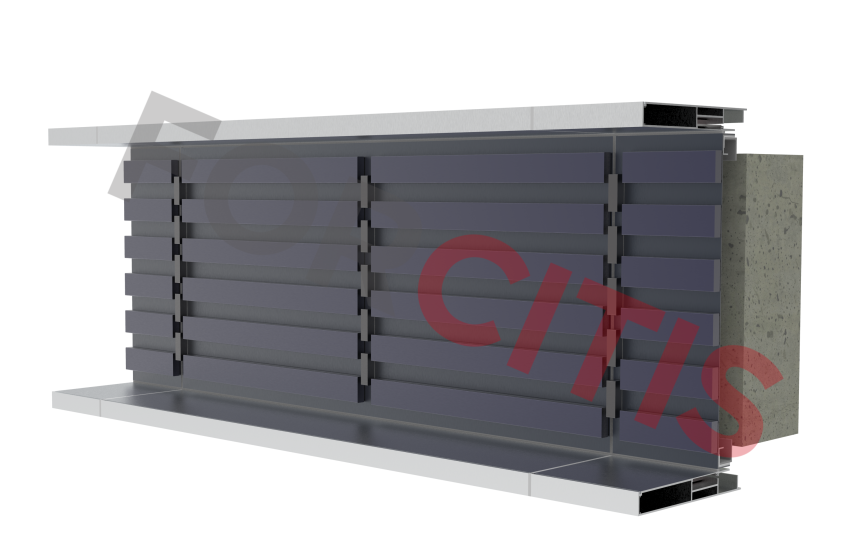
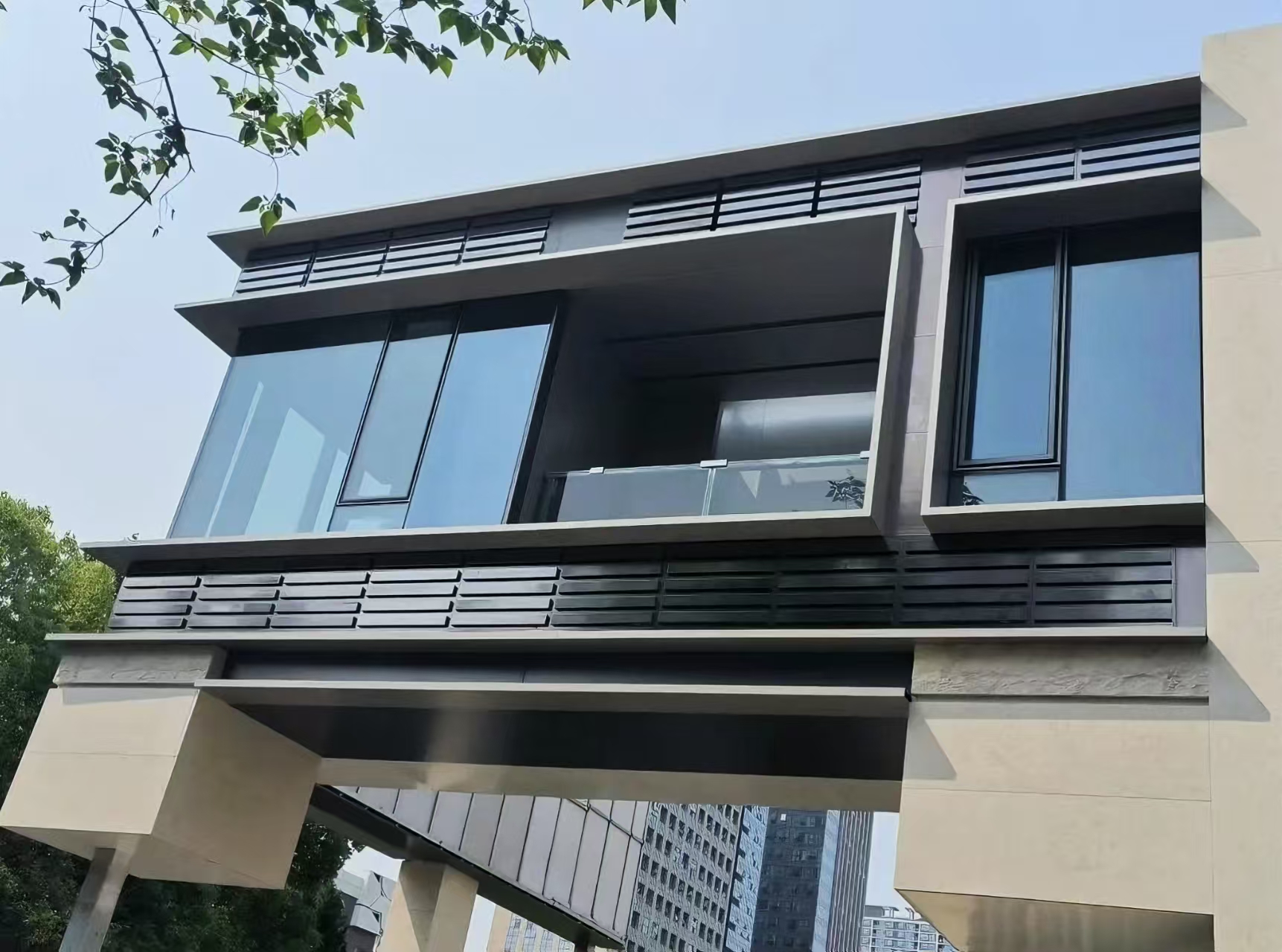
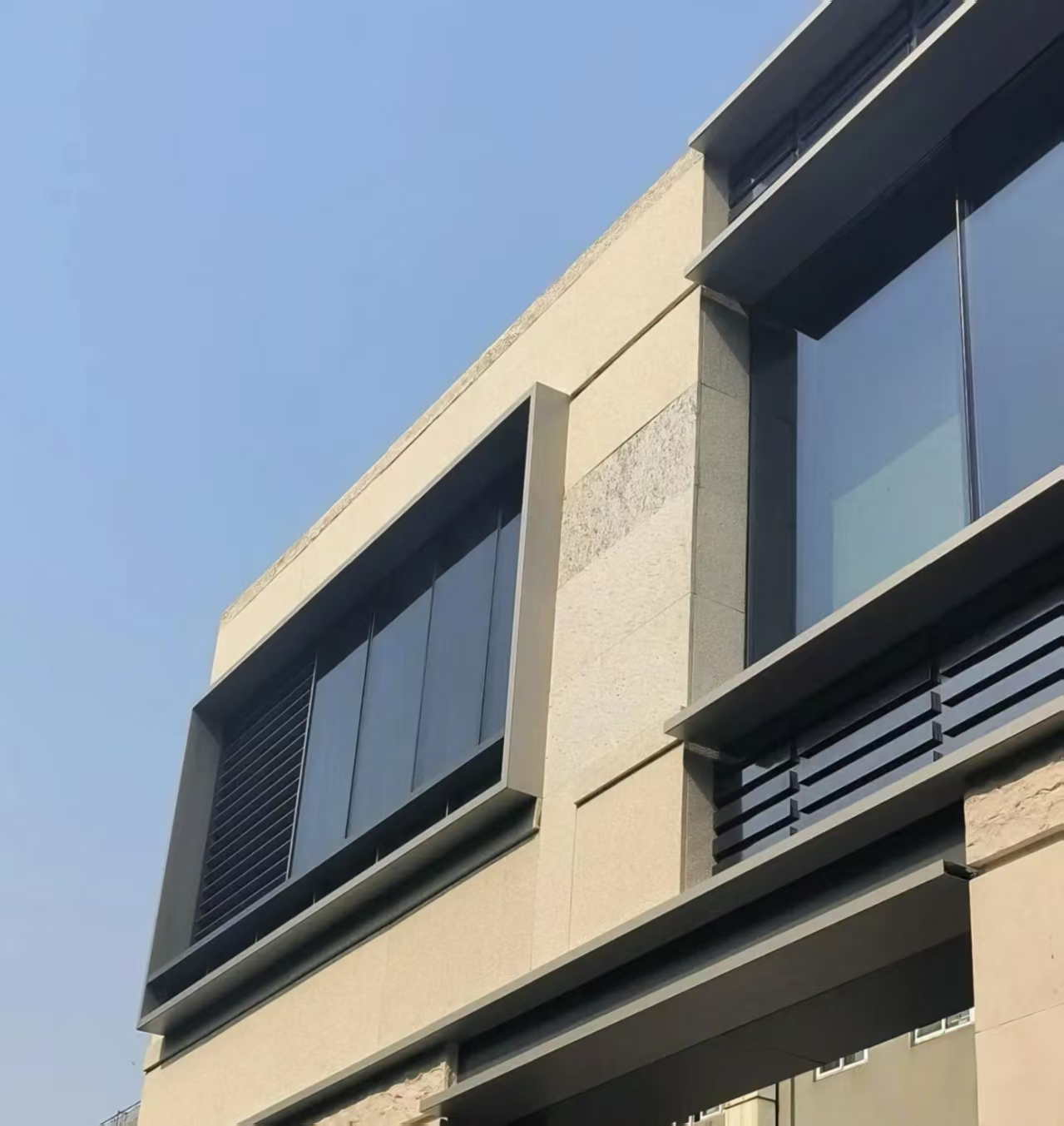
Outdoor side buckle cover design: To optimize the indoor visual experience, the buckle covers of the window frame profiles are uniformly located on the outdoor side, presenting a complete and unified appearance of the aluminum alloy window frame from an indoor perspective.
Curtain wall joist connection structure: In response to structural and construction conditions, the window frame profiles are installed by protruding from the curtain wall joist through connecting angle iron, so as to avoid affecting the original waterproof system of the window.
(
Refined closing design
)
At key interfaces between glass curtain walls and various disciplines such as interior fine decoration and exterior decoration, conventional practices often reveal issues such as glue joints, structural joists, or misaligned closures due to inadequate detail handling, affecting the overall visual quality. To achieve a truly integrated and exquisite effect, we focus on two core pain points from the early stages of design:
Pain point 1: Both the indoor refined decoration paving surface and the outdoor decorative molding need to be directly closed to the glass surface. If the structural relationship is not coordinated in advance, problems such as exposed glue joints, uneven closing, or material interference are highly likely to occur.
Pain point 2: The internal structure of the slot area is exposed. Concealed structures such as structural joists and glue joints beneath the glass slot position are easily visible when observed closely (such as from the ground floor or lobby area), compromising the purity of the facade.
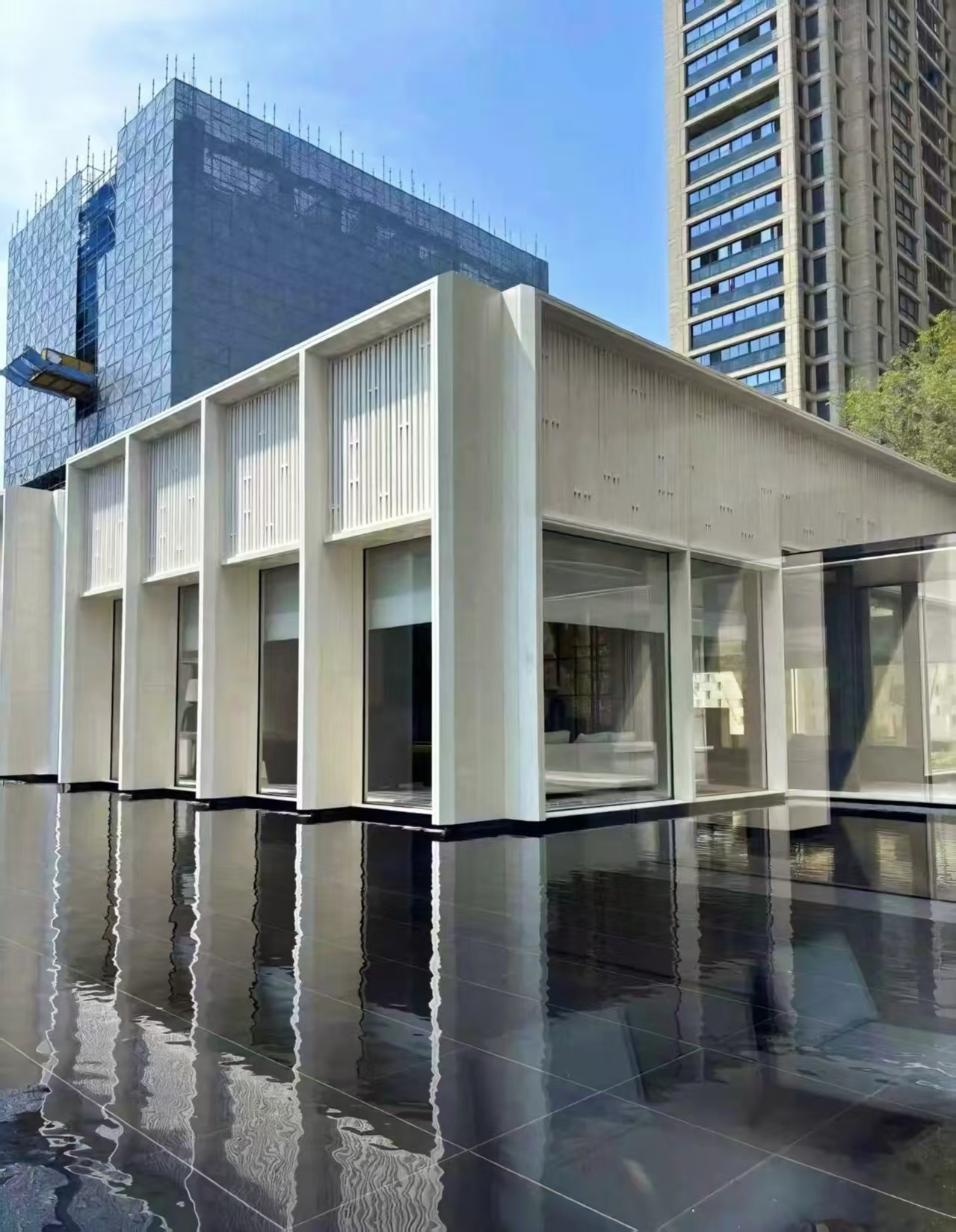
Solution ideas and implementation: At the beginning of the design, we adjusted the depth of the glass groove (overall lowering or raising) to reserve sufficient installation clearance between the pavement surface and the U-shaped groove, avoiding construction interference.
In addition, we uniformly use black sealant to cover the inner structure and adhesive joints of all groove areas, utilizing the principle of color fading to achieve an "invisible structure" within the range of human visual height.
In the end, both the indoor floor closing and the outdoor line handover achieved an integrated effect of "no glue visible, seamless and observable", significantly enhancing the refinement and integrity of the curtain wall system.
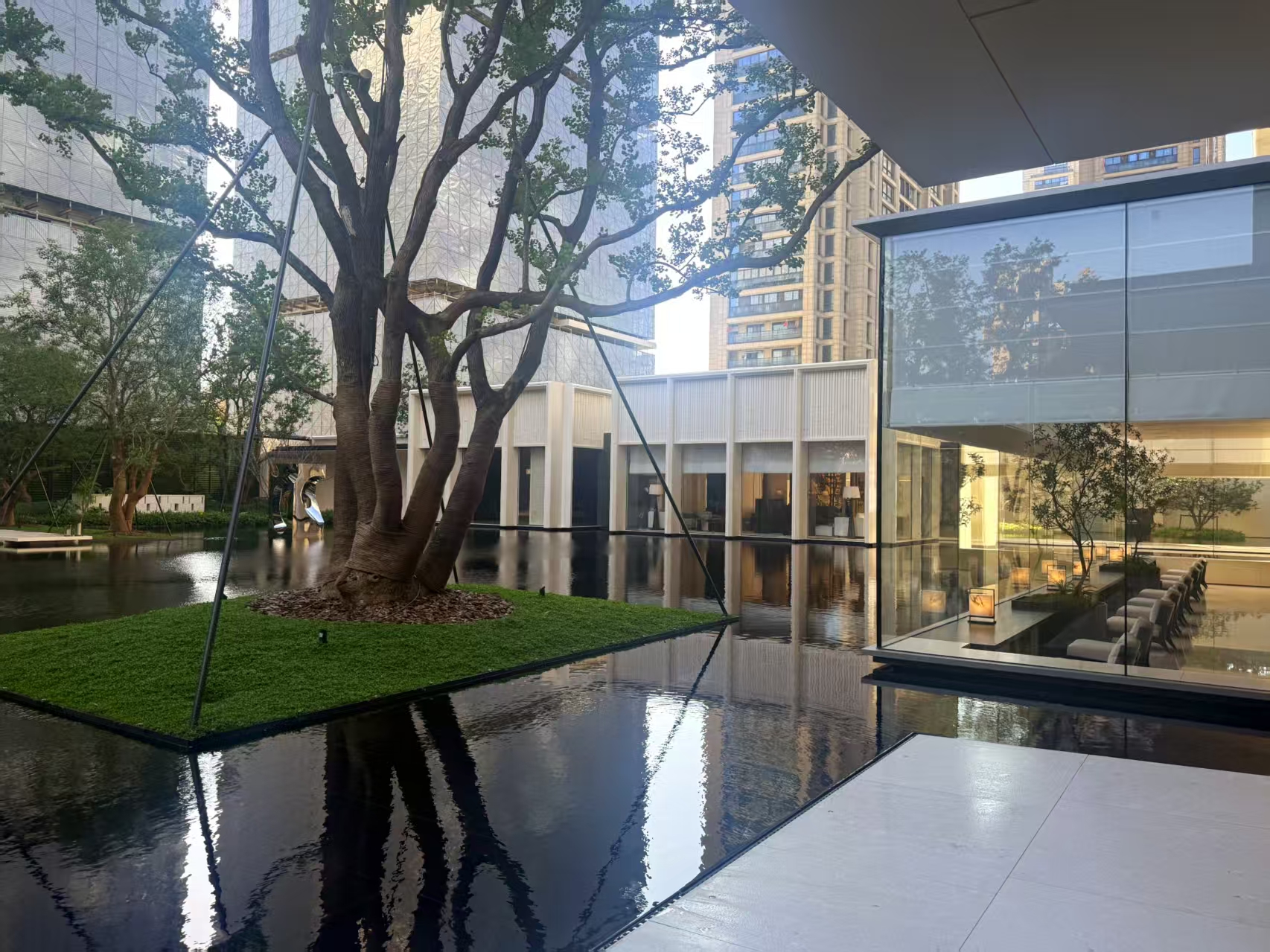
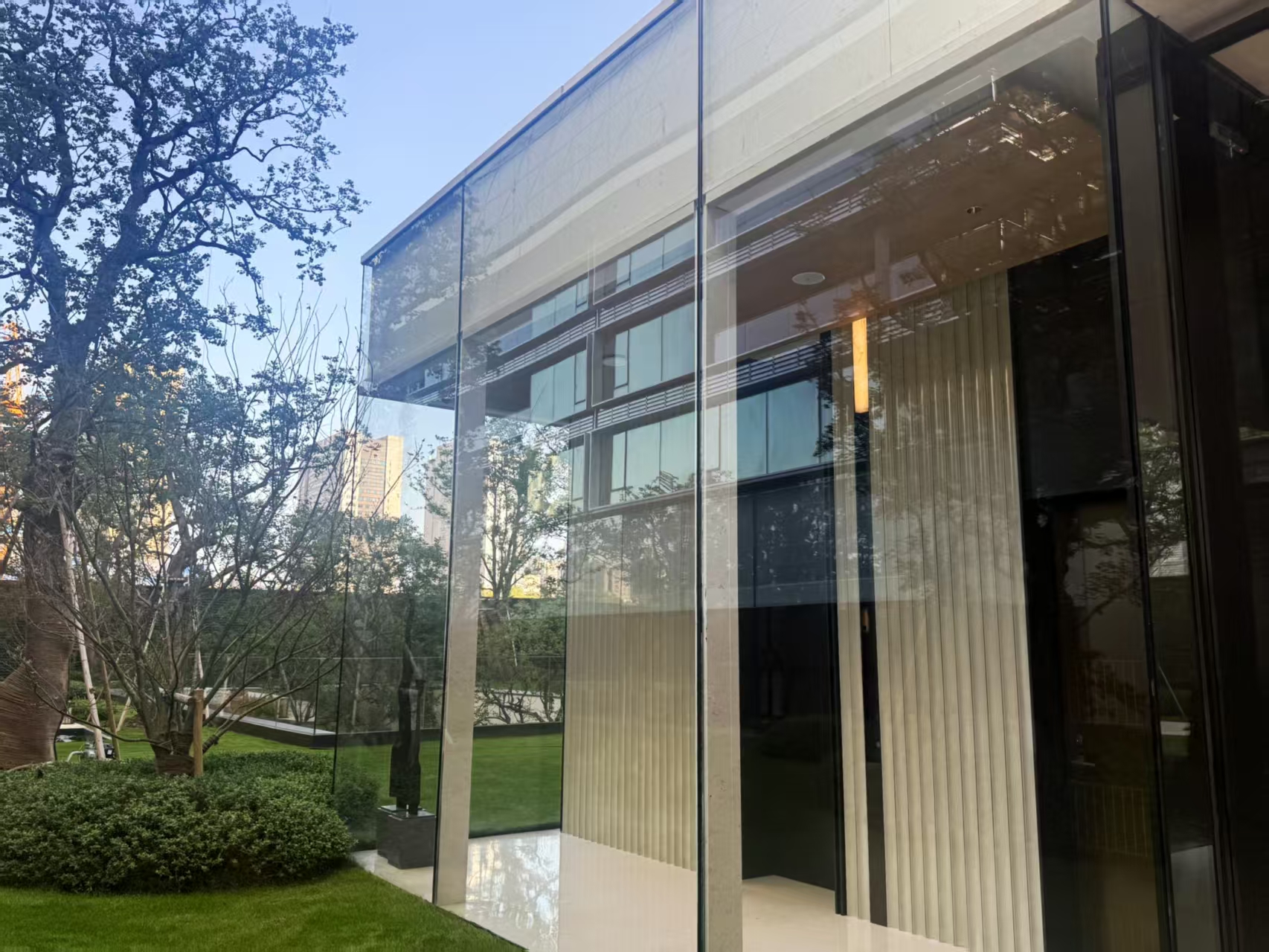
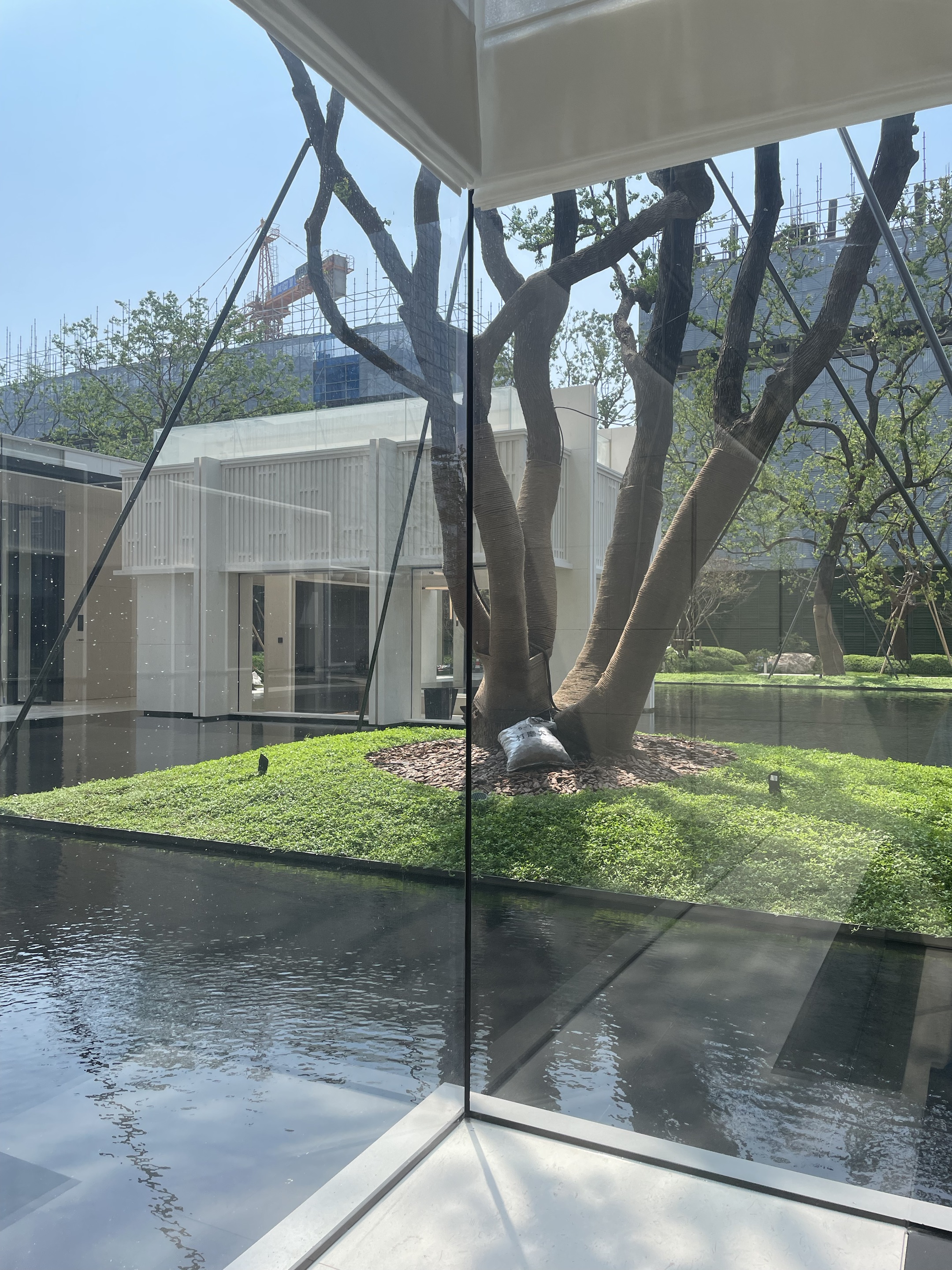
Entry image system | Precision stone curtain wall
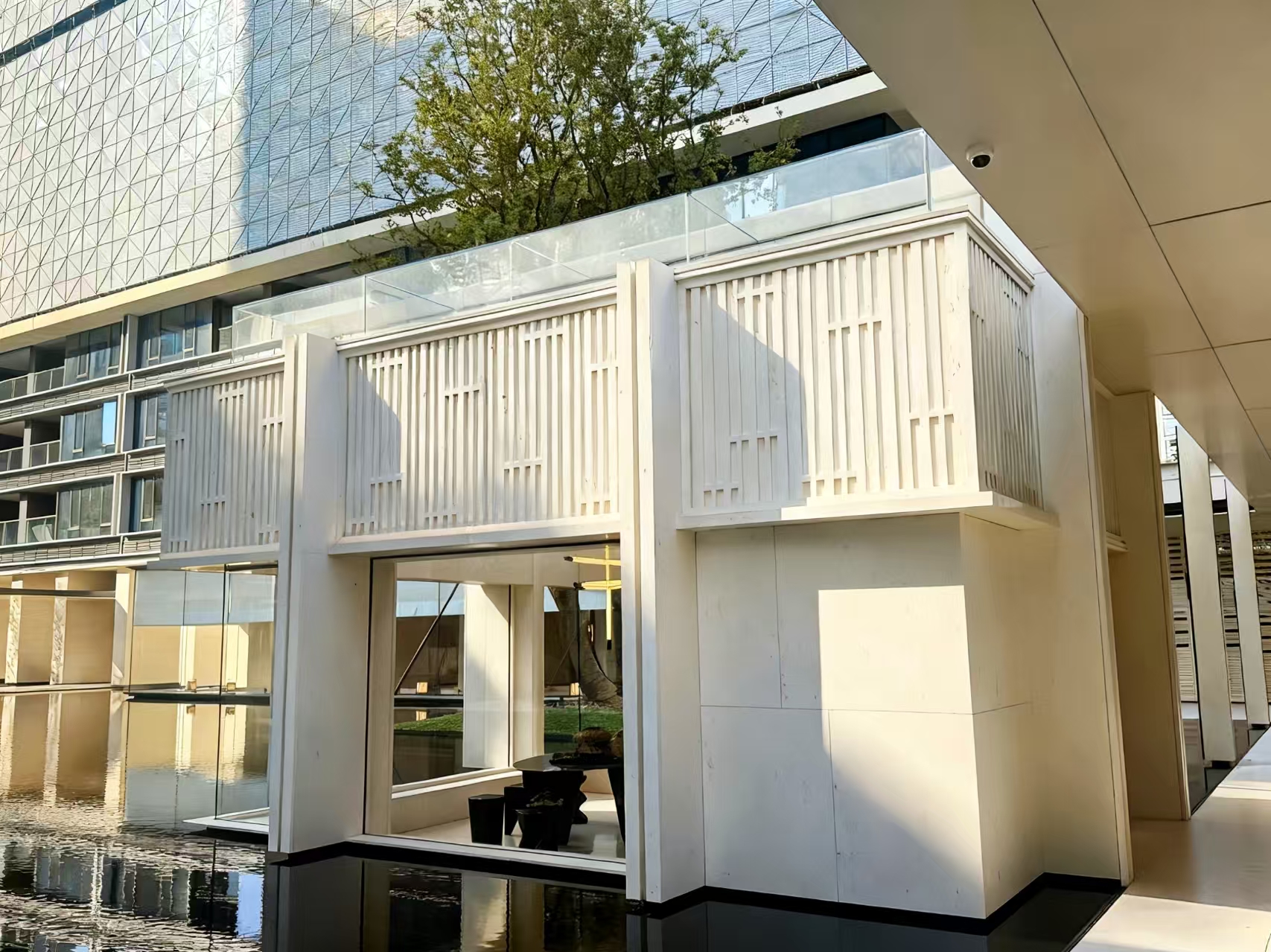
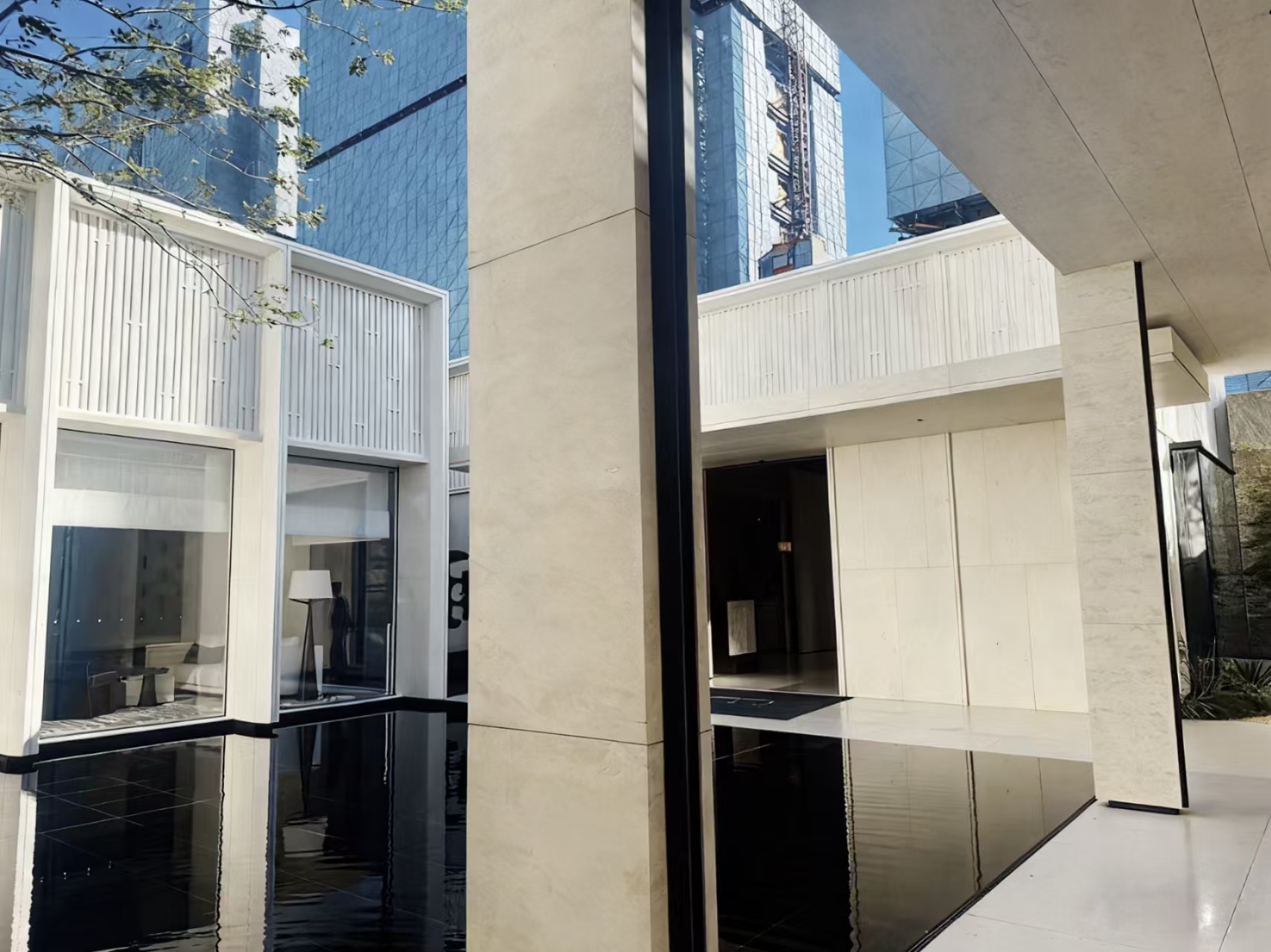
Pan-clubhouse | Full-glass curtain
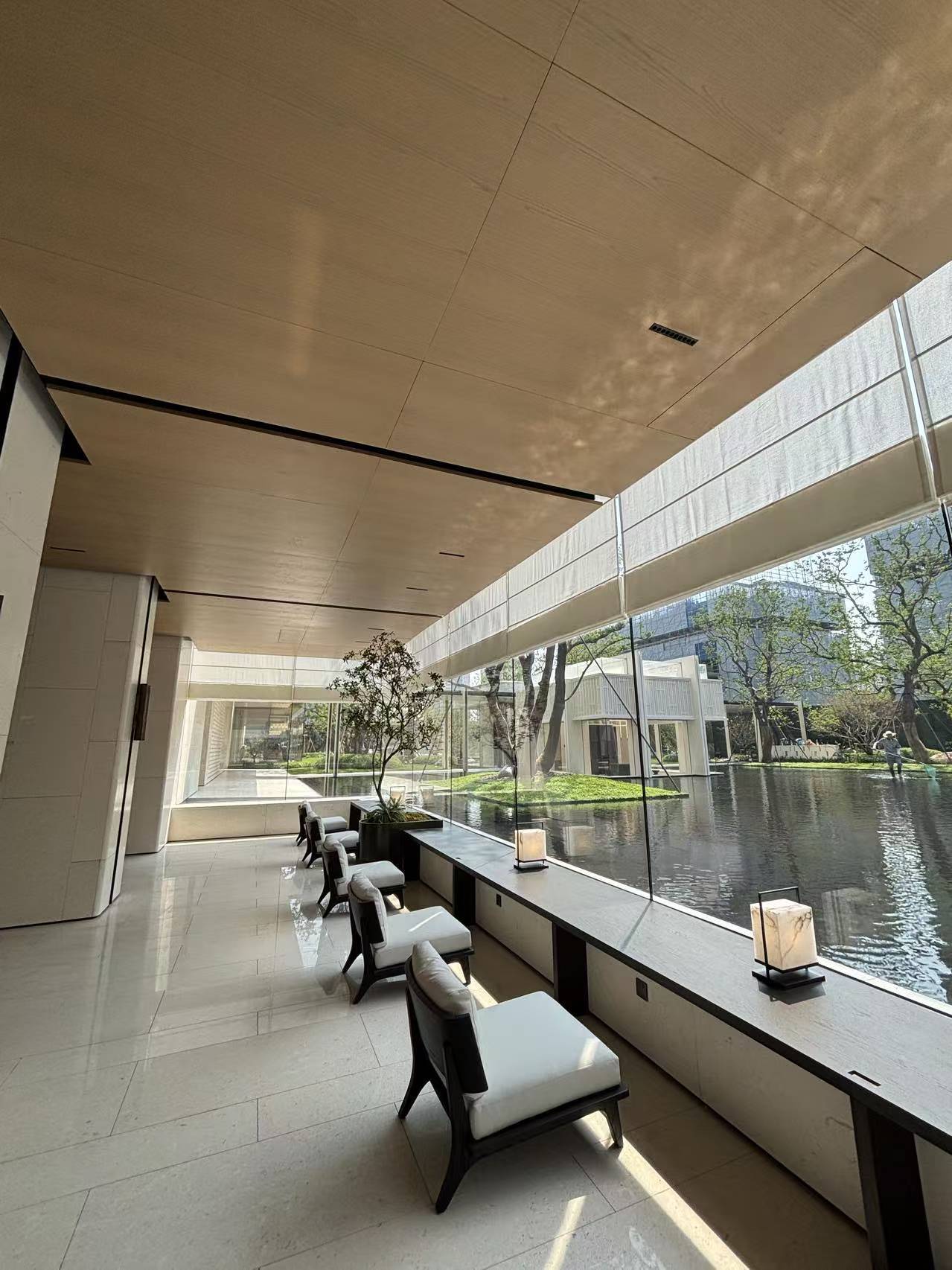
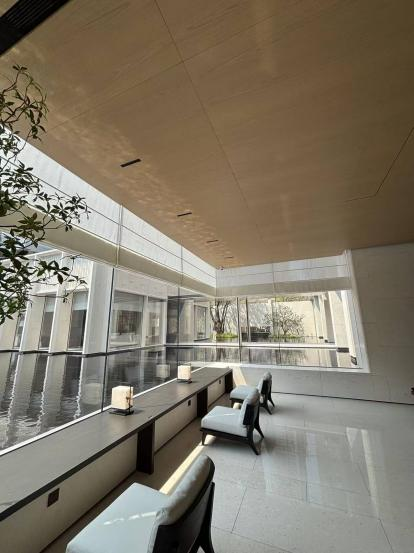
Lower courtyard | T-bar system
Corridor transition space | Closely-spaced honeycomb aluminum panels
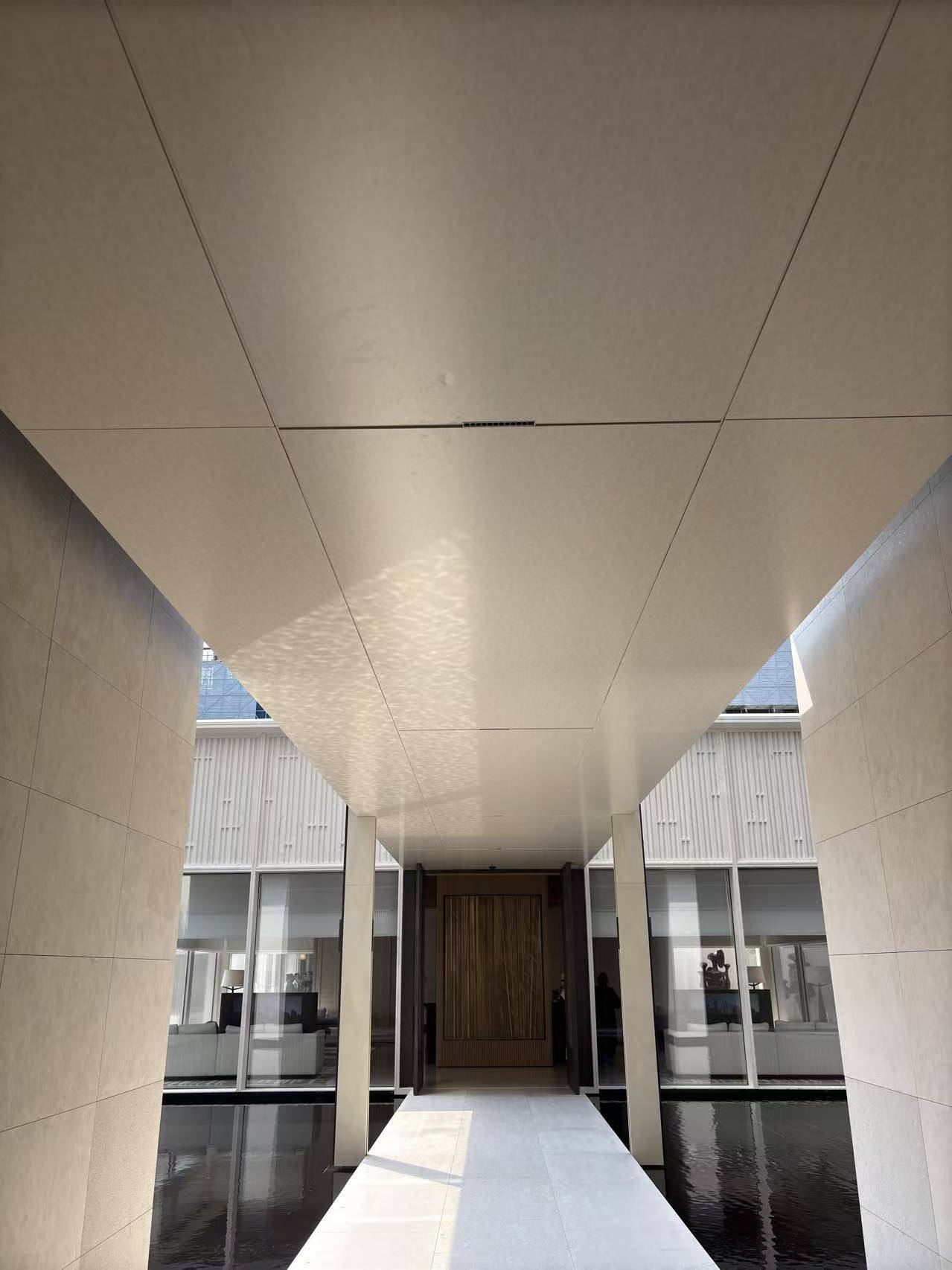
Landscape wall system | Hollow-out modular stone grille
▲ Lattice-patterned stone curtain wall
FUTURE ORIENTED VALUE INHERITANCE
ANPU, with the core concept of "settling for simplicity and returning to the essence", carves out a secluded paradise at the urban source, refining the oriental charm from an international perspective. With timeless and ever-evolving supreme quality, master-customized luxurious living spaces, an aesthetic that integrates the East and the West, fully innovative living scenarios, as well as deep resonance and value empowerment with the spirit of the land, it collects a city's enduring legacy for collectors who understand the value of permanence. It is not only a contemporary continuation of the serene and secluded culture, but also a profound response to the sustainable development of the construction industry.
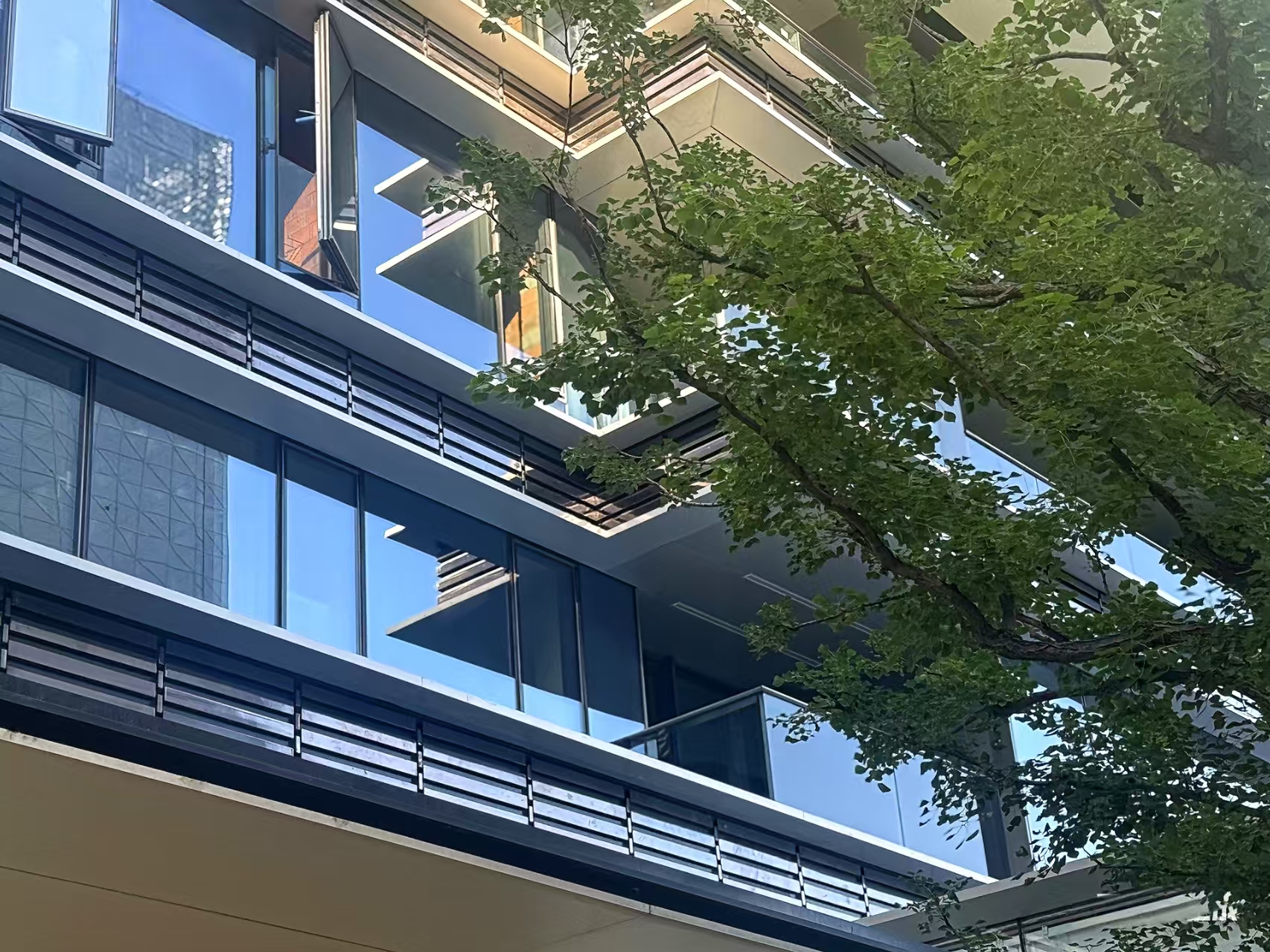
The project accurately aligns with industry development trends through systematic technological innovation. The organic integration of eleven major curtain wall systems has achieved a deep fusion of building energy efficiency and healthy housing. The high-performance curtain wall system pursues carbon neutrality goals, and refined design enhances the living experience. This development logic, which transforms industry trends into product capabilities, provides practical reference for contemporary housing construction.
As a key participant in engineering practice, the Foster team will continue to serve architectural creation with professional technology and work with industry colleagues to promote the improvement of architectural quality. ANPU, a work that integrates Eastern aesthetics and modern techniques, will surely become a memorable chapter in the evolution of urban architecture with its timeless construction wisdom.