Longhua Design Industrial Park
-
Location
Shenzhen, Longhua
-
Client
CAPOL
-
Design
CAPOL
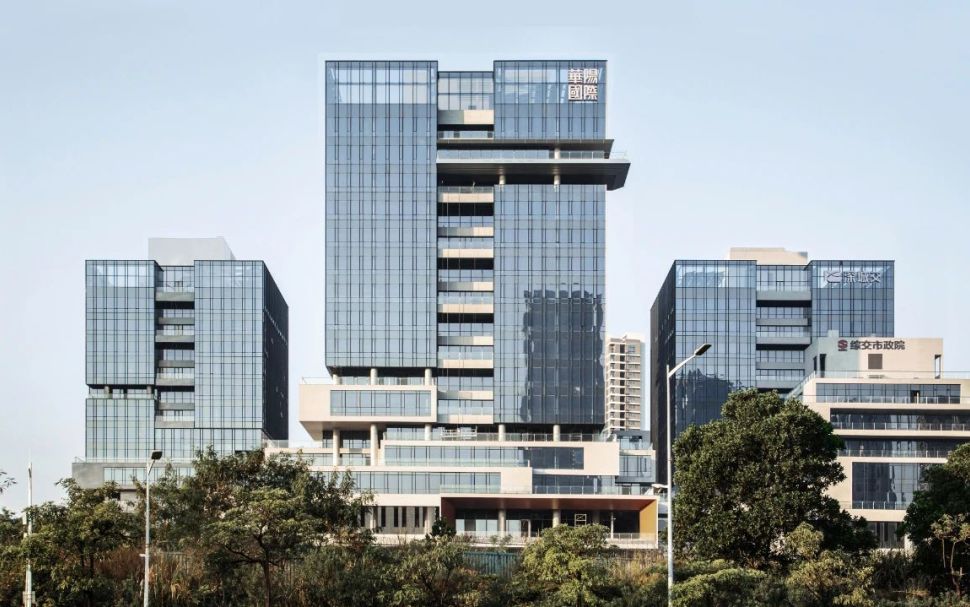
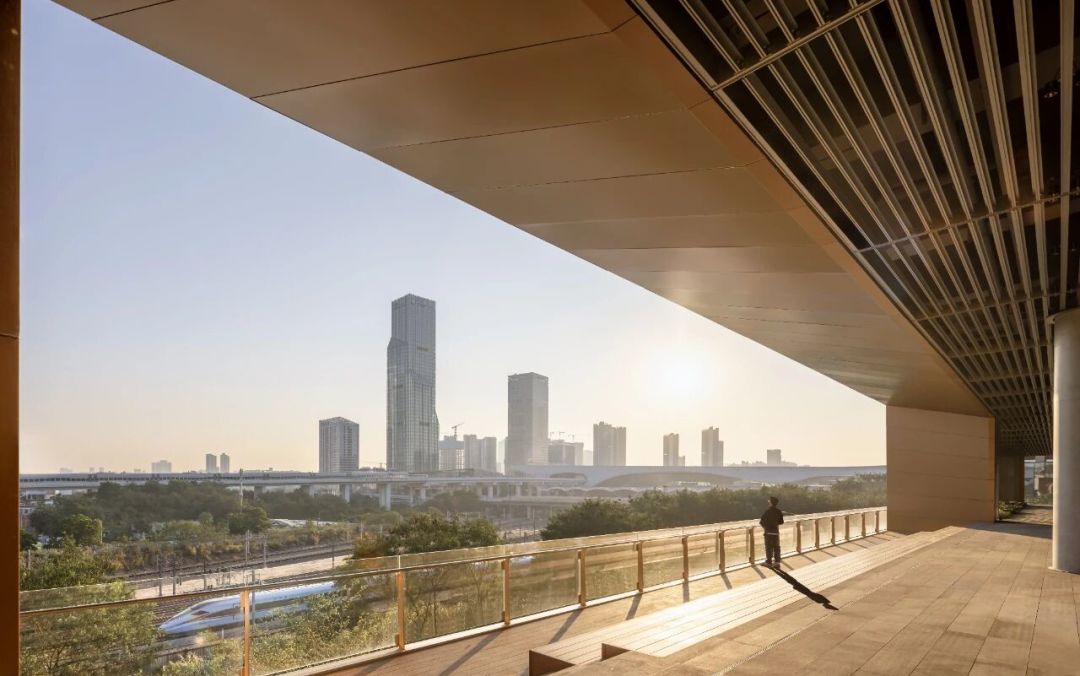
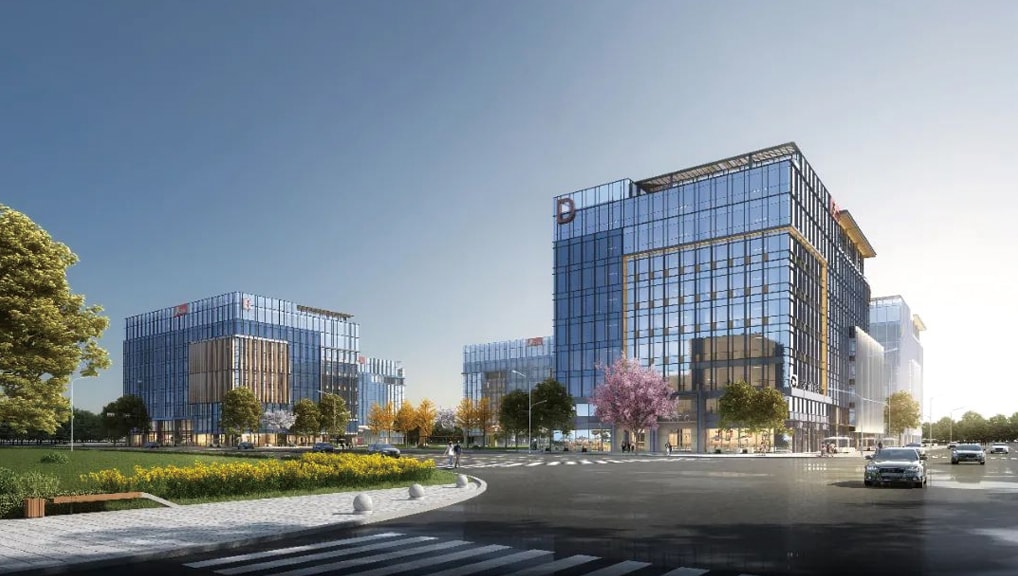
The Longhua Design Industrial Park in Shenzhen, connecting to Shenzhen North Station in the east and Hongmu Mountain in the west, serves as a crucial urban interface for Shenzhen, the "City of Design."
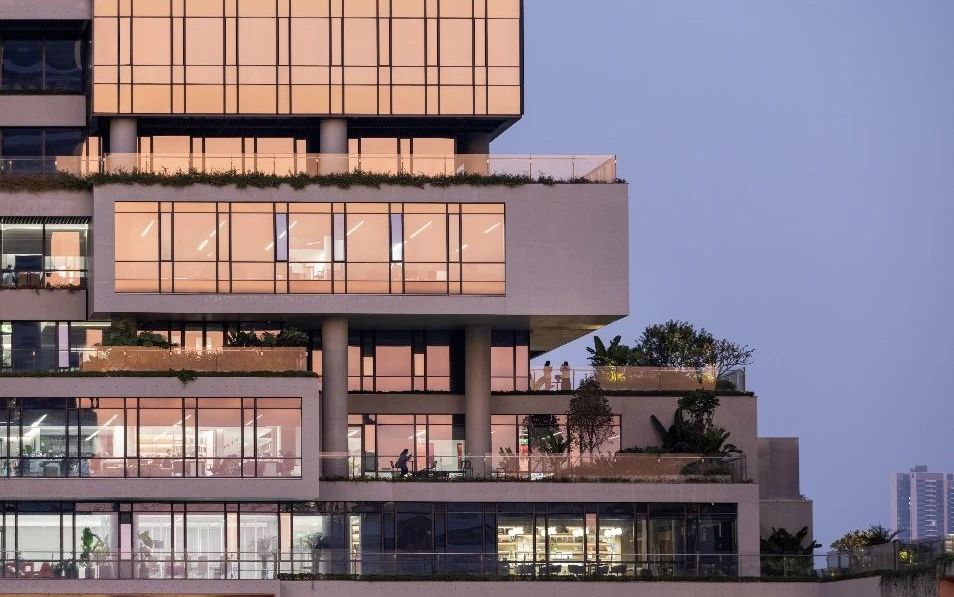
As a headquarters cluster for nearly ten thousand designers, the project adopts a "Pin"-shaped layout to create a "Green Valley City," with "open campus" as its overarching design concept. Industrial buildings are organically linked with headquarters offices, R&D innovation, and science education areas through mountain forest trails. Here, buildings do not exist in isolation but are part of an ecological network.
FORCITIS, acting as the full-process facade consultant for this project, collaborated with the architects to find the perfect balance between the robust fair-faced concrete and the ethereal glass curtain walls, both visually and technically.
01
108 wall columns and approximately 24,000 square meters of fair-faced concrete walls were poured in a single casting. This material, rarely used due to its construction difficulty, showcases an advanced artistic and delicate texture in this project, achieved with millimeter-level construction precision.
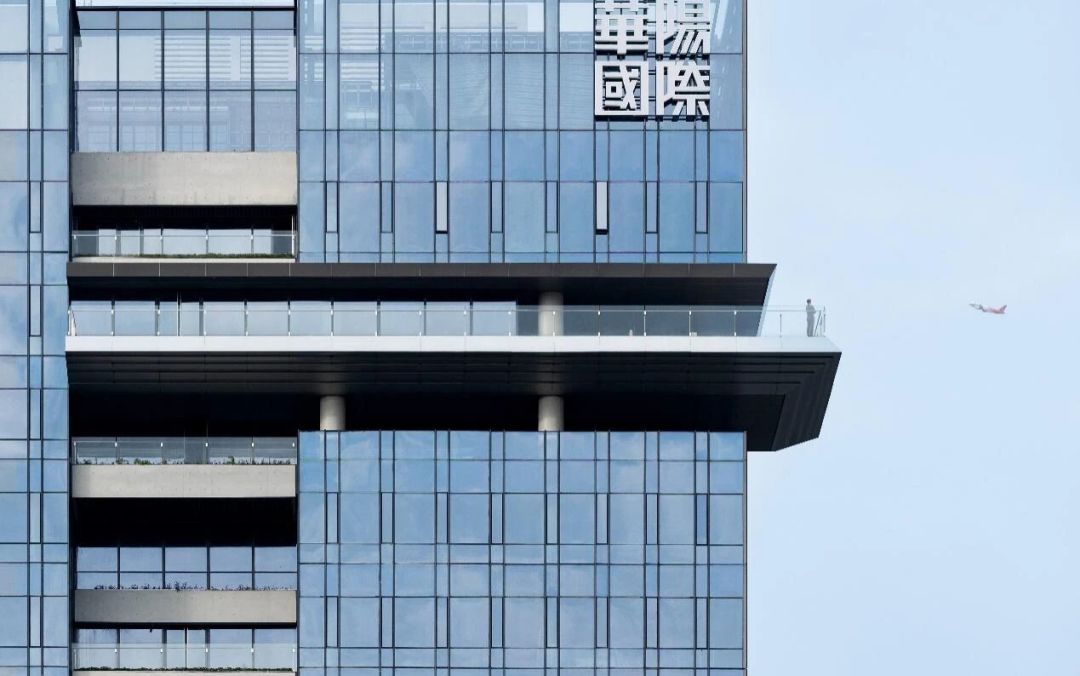
The facade design aims to create a "pure and minimalist" aesthetic. To highlight the mass and texture of the fair-faced concrete, the glass curtain walls need to be "invisible" to the greatest extent possible. Through a strong contrast between solid and void, the aesthetic logic of the exterior is defined, more profoundly conveying the introspective and focused humanistic style of design enterprises.
02
To achieve a completely hidden frame effect, the project team optimized the top and side closure details, designing special recessed grooves at the junction of the fair-faced concrete walls and the curtain walls. By embedding stainless steel "L"-shaped precision adjustment components + adjustable card slots, the fair-faced concrete panels are connected to the internal curtain wall keel. This not only releases the shrinkage stress of the concrete but also reduces the joint gap to 3mm, truly achieving a seamless connection and ensuring the overall integrity and exquisite appearance of the building's facade.
For the decorative sections of the podium facade, the conventional aluminum alloy decorative strips were replaced with a 20mm wide integrated capping system. This simplifies the structure, reduces costs, and simultaneously improves installation efficiency and visual simplicity. The color of the decorative elements coordinates with the main curtain wall, better maintaining the consistency of the facade.
Traditional formwork is prone to chipping during demolding, affecting aesthetics. This project adopted PVC strips instead of traditional formwork, which not only solved the demolding problem but also cast a flat and sharp concrete baseline, achieving a one-piece drip detail.
The indoor gridded ceiling uses fluorocarbon-coated aluminum panels for edging, with special closure profiles added to the edges. These tightly interlock with the internal curtain wall system, hiding the end of the keel. In conjunction with the lighting design, a 24V silicone neon light strip is concealed on the inner side of the flange, illuminating the concrete soffit upwards, achieving a sophisticated "light without visible seams" effect.
Rough conventional glue joints can detract from the facade's refinement. In this project, stainless steel strips are embedded in the 15mm glue joints. This subtle change not only softens the roughness of the joints but also utilizes the metallic luster to add delicate layers to the curtain wall, balancing both function and form.
To ensure that all sunshades are perfectly horizontal and vertical, avoiding misalignment and deformation, the project introduced "sleeve core" technology. By strictly controlling the precision of the sleeve cores, each sunshade can be precisely positioned, creating a facade rhythm with a strong sense of order.
03
As the daytime hustle gradually recedes, the architecture begins another expression in the night, with light becoming the narrator.
The FORCITIS lighting team deeply participated in the project, with "integrating into the landscape, creating experiences, and brightening life" as its core philosophy, to create an urban night landmark that is artistic, comfortable, and sustainable.
In designing the main facade lighting effect, the project team avoided dazzling supplementary lights, minimizing light elements on the main facade. Instead, indoor lighting gently brushes the facade's texture through the glass, like moonlight on a stone wall, cool and skeletal.
Above the floating platforms, point light sources are hidden behind perforated panels, emitting an even and subtle glow. The observation decks appear as suspended light boxes, self-illuminating from within and appearing light. All luminaires are concealed deep within the structure, leaving only the spatial rhythm of flowing light and shadow.
The main column lighting utilizes LED chain wall washers, arranged circularly along the structural columns, projecting downwards to precisely illuminate the column contours and reinforce the building's vertical rhythm.
Cove lighting along the ceiling edge employs flexible wall washers, continuously arranged along the lower edge of the gridded ceiling, providing soft and even diffuse light, avoiding glare, and enhancing the warmth of the space.
Landscape lighting design revolves around characteristic landscape areas such as the "Social Valley" and "Inspiration Garden."
The design inspiration draws from melody, nature, light and shadow, and dance. A large number of functional luminaires are dynamically connected in the form of points, lines, and planes, synchronizing with strolling pedestrians, thus making the space flow. Eastern concepts of "interplay of solid and void" and "changing scenes with every step" are quietly integrated into the contemporary urban fabric through the light of framed views, shadows in the mist, and brightness under the trees, rejuvenating with vitality.
Light, hidden in plain sight. At night, the architecture still retains its daytime spirit – rational, restrained, growing, and coexisting with nature. This is the most tranquil modern poem composed by light.
04
In super high-rise and large park projects, cost expenditures often increase exponentially. Every element in the design – from curtain wall unit modules to division sizes – has its cost threshold. The project team, through precise calculation and comparison, assisted the client in making optimal decisions between visual effect and economic cost.
Furthermore, facing the significant challenge of "controlling color difference in fair-faced concrete," the project team insisted on "pre-production samples." Over half a year, through raw material selection, proportion optimization, and environmental simulation, and repeated attempts, they finally cracked the "color changing code" of concrete, ensuring that the color of the columns was as uniform as if copy-pasted.
During the project construction, in a limited space, more than 30 types of prefabricated components, such as superimposed floor slabs, prefabricated stairs, and steel-reinforced concrete columns, were intertwined, making it extremely complex. The team used BIM technology to simulate installation paths in advance and utilized 3D scanning to correct errors, increasing site utilization by over 40% and drawing conversion efficiency by over 60%. This allowed for the precise and orderly execution of complex "precision mechanical assembly," achieving 100% control over the final outcome.
The Longhua Design Industrial Park is not merely an office space but a profound contemplation on the relationship between city, nature, and architecture.The FORCITIS team, as facade and lighting consultants, participated throughout the entire process, contributing to the birth of this new landmark for Shenzhen, the "City of Design." Through node designs hidden from view, it achieves the profoundness and purity of fair-faced concrete, allowing the architecture to quietly grow amidst the flow of light and shadow.


-

 Longhua Design Industrial ParkIntegration of building curtain wall and lighting design
 -
 Shanghai Grandtopeak Shanghai Center Headquarters BuildingThe traditional material texture of the facade enhances people's cognition of urban space.
 -
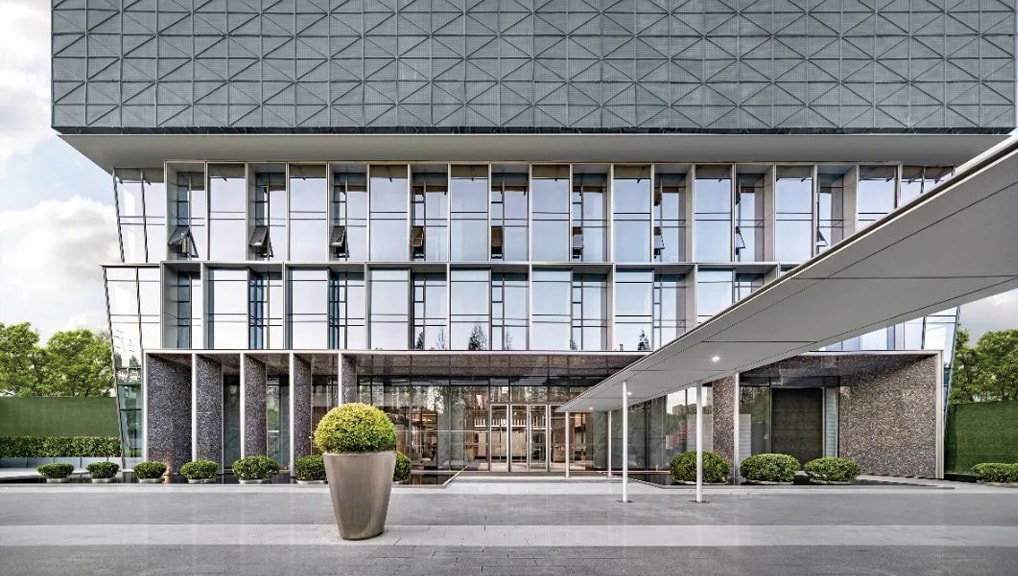 Emerging Development Science and Technology R&D Headquarters Base of NingboCreate a harmonious, natural and flexible comprehensive building.